
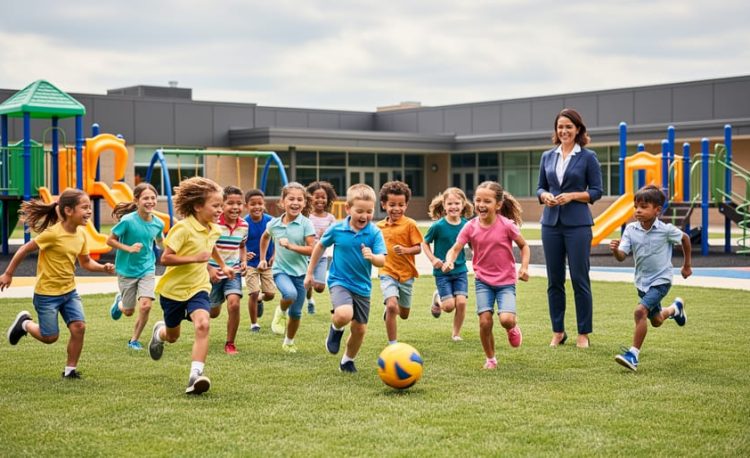
The best alternatives to taking away recess are the ones that teach the child something while keeping their body moving: a short calm-down break, a chance to make things right, a consequence that matches the behavior, or a plan the child helps build. They work because kids who misbehave often need more movement, not less. Recess helps children burn off energy, reset their focus, and practice getting along with others, which is exactly what they need to do better next time.
Taking it away tends to backfire. The child who can’t sit still loses the one thing that helps them sit still, and the lesson about the behavior gets lost in the frustration.
The good news is that you have plenty of options. In this article, you’ll find eight practical alternatives that teachers and parents can start using right away, each chosen because it is fair, easy to apply, and tied to the behavior you want to change. Many of them also fit naturally into a broader approach to health education where movement and emotional skills go hand in hand.
Let’s start with how we chose them, then walk through each one.
Why Recess Is Worth Protecting (and How We Chose These Ideas)
Recess is more than a break from the classroom. It gives kids a chance to move their bodies, practice sharing and negotiating with friends, and reset their minds so they can return ready to learn. Regular activity supports healthy habits that last well beyond childhood, and that reset time is a big part of why children arrive back at their desks with better focus and wellness. When recess is taken away, children often lose the very thing that helps them settle down and behave better.
So we built this list with a clear goal: consequences that teach, not consequences that shame. Each of the eight ideas below was chosen because it meets these simple standards:
- It protects physical activity, so movement stays part of the day.
- It connects to the behavior, so the lesson makes sense to a child.
- It is easy for busy teachers and parents to apply.
- It teaches a skill the child can use next time.
- It keeps the child’s dignity intact.
To be clear, this is a curated list, not a product test. These ideas come from widely recommended positive-discipline approaches that many schools and families already use. Think of them as a flexible toolbox. Pick the one that fits the moment, the child, and the setting, and adjust as you go.
8 Alternative Consequences to Losing Recess
1. A Calm-Down Break, Then a Quick Reset Chat
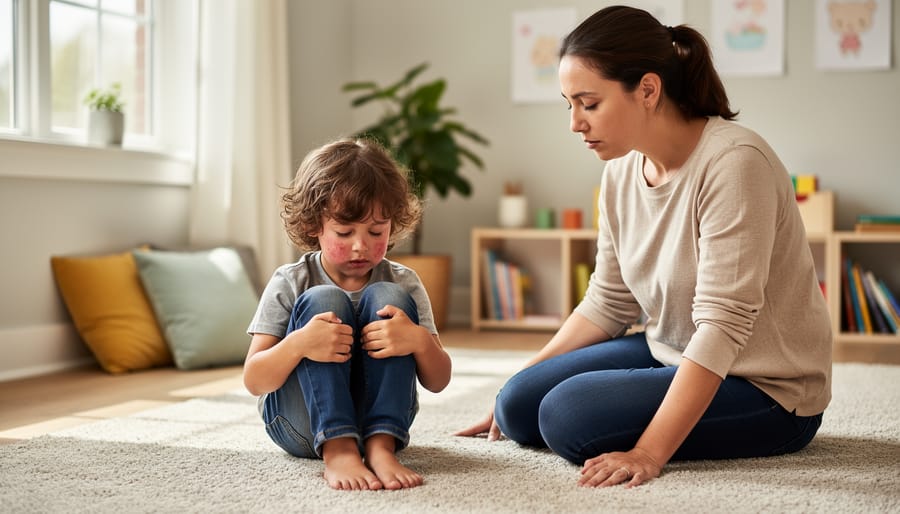
When a child lashes out or melts down, start with a calm-down break instead of a lost recess. Point to a quiet corner with a cushion or a few picture books, and give them three to five minutes to settle. Once breathing slows, sit nearby and have a short, kind chat. Ask what happened, how they felt, and what they could try next time. Kids can’t learn from a lesson while they’re still upset, so the pause comes first.
This teaches self-control because the child practices noticing big feelings and managing them, a skill that grows with repetition.
One second-grade teacher set up a “calm corner” with a soft rug and a jar of glitter. A boy who often stormed off after losing games began heading there by himself. A few minutes later, he’d return ready to talk, and by the end of the term he was bouncing back faster and still getting to enjoy recess.
2. Making It Right: Repairing the Harm
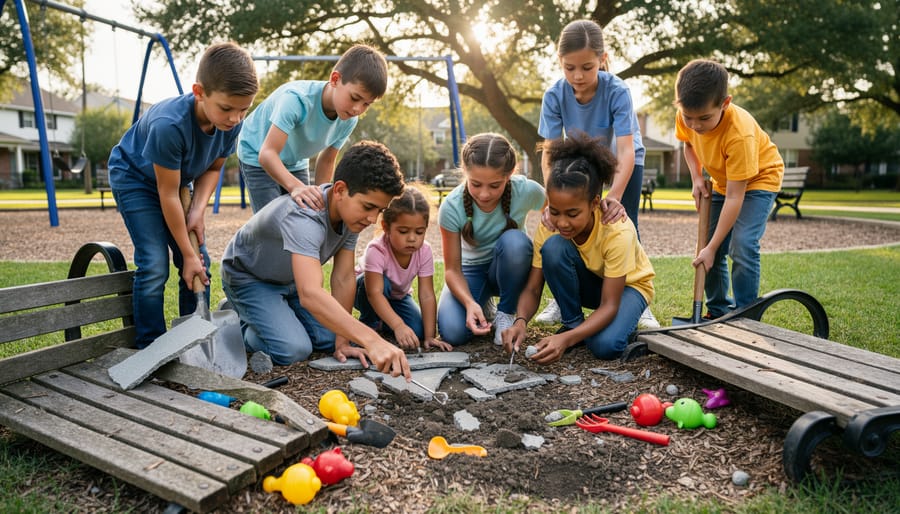
Sometimes the most powerful consequence is simply fixing what went wrong. When a child takes responsibility for the harm they caused, they practice empathy in a way that sitting inside during playtime never could.
Here’s how it works. If a child knocked over a classmate’s block tower, they help rebuild it. If a hurtful comment was made, they write a kind note or offer a sincere apology in their own words. If a book was torn, they help tape it back together.
The key is keeping it age-appropriate and genuine. Ask questions like, “Who was affected?” and “What could you do to help make it better?” Let the child choose from a couple of options so it feels like their decision, not a forced chore.
Quick tip: Keep repair activities short and focused, about five to ten minutes. Afterward, thank the child for making things right. This reinforces that mistakes can be mended and relationships can heal, all without taking away the playtime their body and mind need.
3. Logical Consequences That Match the Behavior

A logical consequence is one that grows straight out of what happened. If a child makes a mess, they help clean it up. If they rush through an assignment and leave it sloppy, they redo the messy part. The link is obvious, so kids don’t have to guess why it’s happening.
That’s the real power here. When a consequence has nothing to do with the behavior, like losing recess over a spilled paint cup, children often feel it’s random or unfair. When the fix matches the problem, they see cause and effect clearly and can carry that lesson forward.
Keep it short and calm. A few minutes during a natural pause, like the end of a lesson or while classmates pack up, usually does the job without touching playtime.
Quick tip: say the connection out loud. “You spilled it, so let’s wipe it up together” sounds like teaching, not scolding, and kids respond to that tone.
4. Loss of a Classroom Privilege, Not Movement
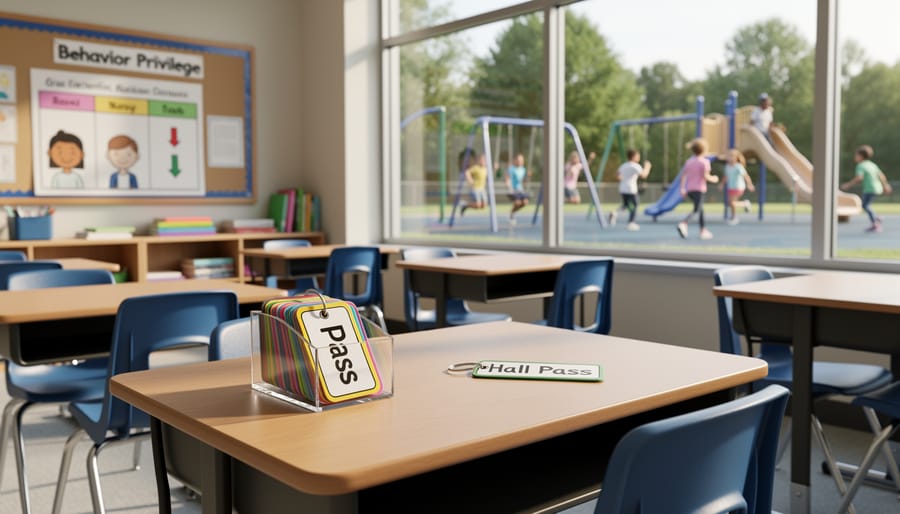
When a child needs a consequence, pause a classroom privilege and leave movement alone. Being line leader, picking the morning game, choosing a seat, or handing out materials are all fun perks that matter to kids, but none of them are things a child needs for their health.
The key is making the path back clear. Tell the child exactly what was lost, for how long, and what they can do to earn it back. For example: “You’ll sit out as line leader for two days. If you walk calmly in line both days, you can lead again on Wednesday.”
Keep the pause short. A day or two works better than a whole week, because young children lose the connection between the action and the consequence when it drags on.
Quick tip: Say it calmly and matter-of-factly, then celebrate when the privilege returns. That moment of “welcome back, we missed you as our leader” turns a consequence into a fresh start.
5. Walk-and-Talk Time With a Trusted Adult
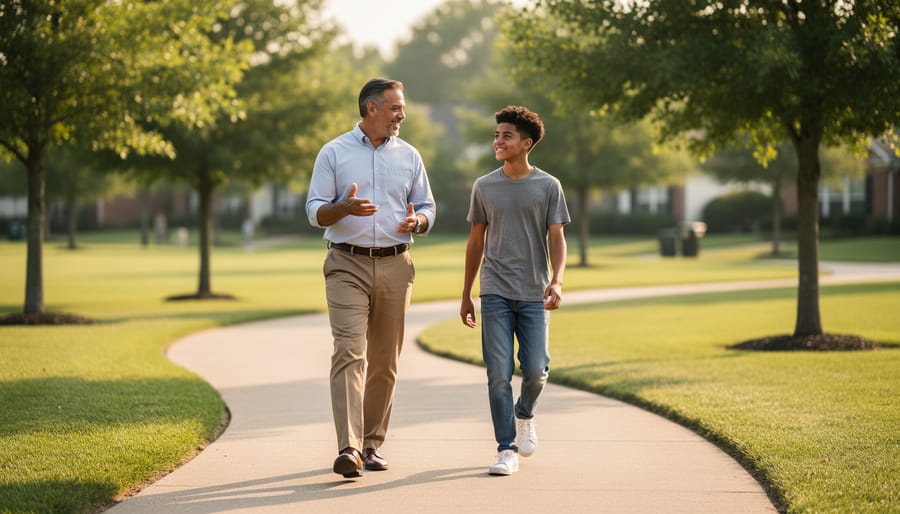
Instead of keeping a child seated indoors, invite them to take a slow lap around the playground with a teacher, counselor, or other trusted adult. Walking side by side feels far less intense than sitting across a desk, so kids often open up more easily. Start with a simple question like, “What was going on for you back there?” Then listen first, and guide them toward a better choice next time.
Picture a school counselor who noticed that a third grader with frequent outbursts barely spoke during office meetings. Once she began walking the track with him for five minutes, he started explaining what frustrated him. Within a few weeks, he was asking for a walk before small problems grew big.
Quick tip: keep the talk calm and short, and end by naming one thing the child will try next time.
6. A Problem-Solving Plan the Child Helps Create

When kids help build the plan, they’re far more likely to follow it. A child who says “I’ll ask for a turn instead of grabbing” owns that idea in a way they never own a rule handed down from above.
Here’s a simple format that works in the classroom and at home:
1. Name the problem. Ask, “What happened?” and let the child explain in their own words. Listen first, without correcting.
2. Share the impact. Calmly say how it affected others, such as “Your friend felt left out when the game stopped.”
3. Brainstorm together. Ask, “What could you try next time?” Aim for two or three ideas, silly ones included.
4. Pick one plan. Let the child choose the idea they feel best about.
5. Check back. Set a quick follow-up, like the end of the day, to see how it went.
Quick tip: write the plan on a sticky note the child can keep in their desk or backpack. Seeing their own words is a gentle reminder, and recess stays right where it belongs.
7. Practice Time for the Missed Skill
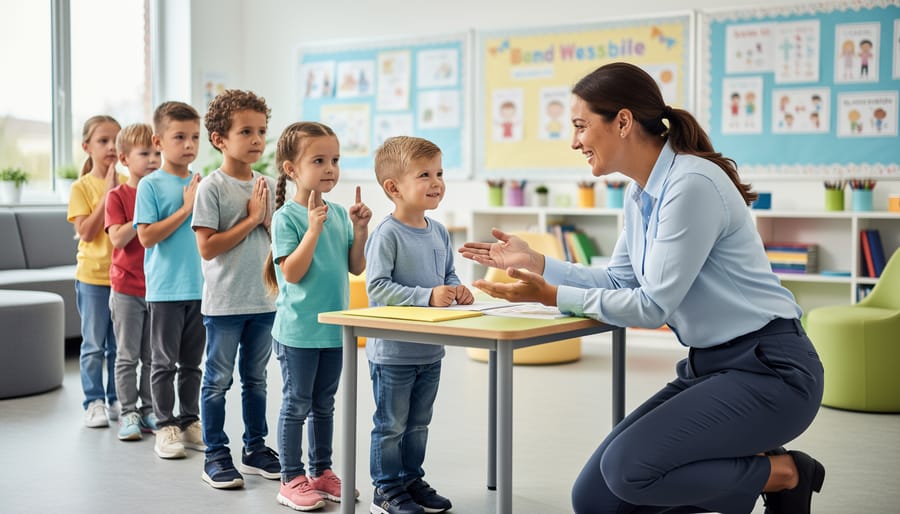
When a child keeps stumbling on the same skill, like waiting a turn or asking for help, a short practice session can do what a lost recess never will. Think of it as coaching, not punishment.
Pick one skill and keep it to five minutes. Show the child what the better choice looks like, then let them try it a few times. If the problem was cutting in line, you might practice walking to the line, standing calmly, and saying “Excuse me, may I have a turn?” Cheer for each good attempt.
Keep the mood light. A little playfulness, even a silly “wrong way” demonstration first, helps kids relax and remember.
Quick tip: Schedule practice during a short transition, like the minutes before lunch, so recess stays safely untouched.
8. Positive Reinforcement and Check-In Charts
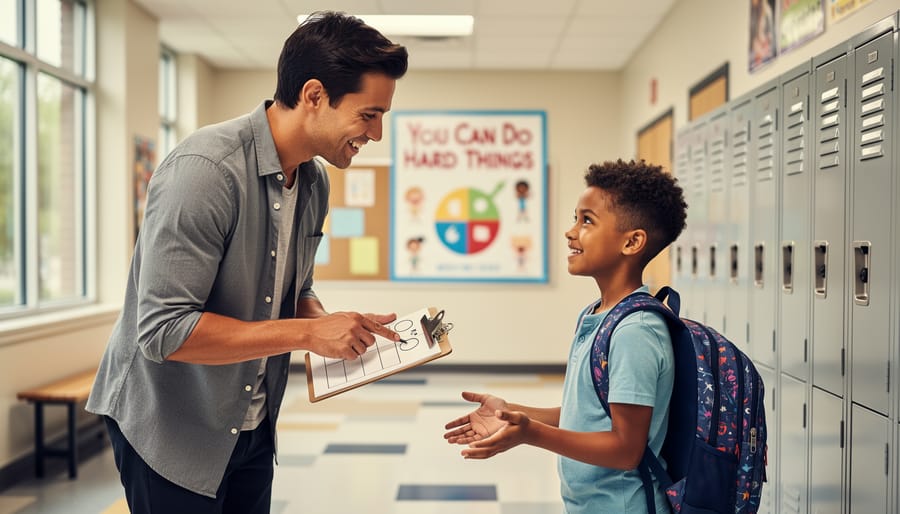
The best way to stop repeat problems is to notice what’s going right. Kids who only hear about their mistakes start to expect them. Kids who hear “I saw how you waited your turn” start to repeat that behavior.
Start with specific praise. Skip a general “good job” and name the action, like “Thanks for helping Mia pick up her crayons.” Then add a simple tool, such as a sticker chart or point card tied to one or two goals, like keeping hands to yourself or lining up calmly. When the card fills up, the reward can be a fun classroom job or extra time with a favorite book.
A daily check-in works well too. A teacher or counselor spends two minutes each morning asking, “What’s your goal today?” and each afternoon asking, “How did it go?” That steady attention builds trust and confidence, and it keeps small struggles from growing into big ones.
Quick tip: keep goals small and winnable at first so the child feels success early.
Quick Answers to Common Questions About Recess and Discipline
Most families and educators land on the same few questions when they look for other ways to handle behavior. Here are quick, practical answers.
Is it ever okay to shorten recess?
Ideally, no. Movement is part of how kids settle and focus, so a calm-down break or a walk-and-talk with a trusted adult usually works better than cutting playtime.
What if a child needs extra help finishing work?
Offer support during a short, non-recess window, and pair it with logical consequences that match the behavior, like redoing rushed work. Keep the tone helpful, not punishing.
How can parents talk to the school about recess policies?
Start with curiosity. Ask what options the school uses beyond losing recess, and suggest ideas like practice time for the missed skill or a problem-solving plan the child helps create.
How do these alternatives support healthy habits?
They keep kids active, build self-control, and protect the mental reset that play provides. Positive reinforcement and check-in charts also reward good choices rather than only reacting to mistakes.
Healthy habits go well beyond the playground, too. The same mindset that protects recess also supports what kids eat and how they feel at school. If you’re curious, these healthy eating benefits are worth a look, and a school garden program is one fun way schools can bring movement, learning, and nutrition together.
Keep Kids Moving and Learning: Your Next Step
Every child makes mistakes, and every mistake is a chance to teach something. The consequences that work best are the ones that help kids understand what went wrong and practice a better choice, all while keeping the running, playing, and laughing that help them focus when they return to class.
You don’t have to change everything at once. This week, pick just one idea from the list, maybe a calm-down break and reset chat or a quick walk-and-talk with a trusted adult, and give it a try. Notice how your child or student responds, and adjust as you go. If it works well, share it with a fellow teacher, a school counselor, or the parents in your community. Small shifts, passed along, can make school a kinder and more active place for every child.