
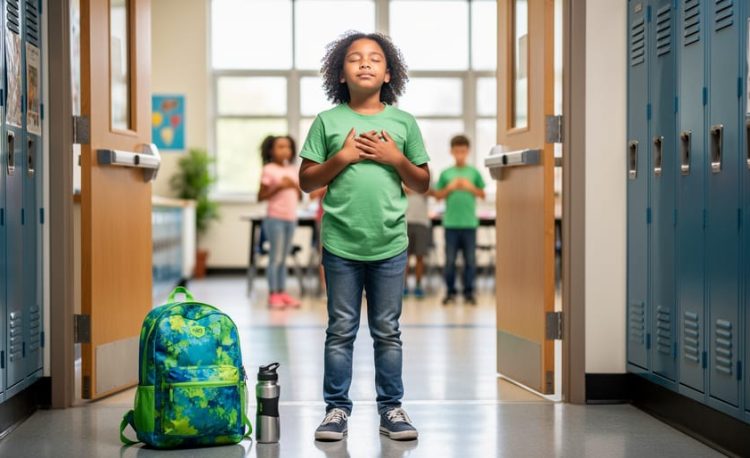
Health promotion education transforms how children learn to care for their bodies and minds, giving them practical skills they’ll use every day. This approach goes beyond traditional health class lectures about nutrition pyramids or anatomy diagrams. Instead, it teaches students to make informed decisions about sleep, stress management, nutrition, physical activity, and emotional wellness through hands-on experiences and real-world applications.
Think of it as equipping your child with a personal toolkit for lifelong wellbeing. When a middle school student learns not just what healthy food is but how to read labels at the grocery store, plan a balanced meal on a budget, or manage peer pressure around eating choices, that’s health promotion education in action.
Schools implementing these programs see measurable results. Students develop stronger decision-making skills, show increased confidence in handling social challenges, and build habits that protect their physical and mental health. A fifth grader who practices breathing techniques during a stressful test or a high schooler who recognizes signs of anxiety in themselves and knows where to seek help has gained invaluable life skills.
For parents and educators in 2026, this matters more than ever. Youth face unprecedented challenges, from social media pressures to environmental health concerns to mental health struggles. Comprehensive health promotion education addresses these modern realities head-on, creating a generation prepared to take charge of their wellbeing with knowledge, skills, and confidence.
What Health Promotion Education Really Means
Health promotion education goes beyond telling kids to “eat your vegetables” or “get some exercise.” It’s about equipping children with the tools they need to understand their own health and make informed decisions that support their well-being, now and throughout their lives.
Think of it as teaching children to be their own health advocates. Instead of memorizing facts about nutrition or the human body, students learn how to apply health knowledge in real situations. They practice setting personal health goals, problem-solving when obstacles arise, and building habits that stick.
- Health Literacy
- The ability to find, understand, and use health information to make good decisions about your own care and wellness.
- Health Promotion
- Activities and education that help people increase control over their health and improve it through positive choices and supportive environments.
- Wellness Education
- Teaching that addresses physical, mental, emotional, and social health as connected parts of overall well-being rather than separate topics.
- Health Empowerment
- Giving students the confidence, skills, and knowledge they need to take an active role in protecting and improving their own health.
What makes health promotion education different from traditional health class? Traditional approaches often focus on what not to do, don’t smoke, don’t eat junk food, don’t skip exercise. Health promotion flips this script. It emphasizes what children can do, celebrating positive choices and helping students discover what feels good for their bodies and minds.
Students don’t just learn about healthy eating. They taste new foods, plan balanced meals, and understand how different foods affect their energy and mood. They don’t just hear that exercise is important. They explore activities they genuinely enjoy and learn to listen to their bodies.
This approach treats children as capable decision-makers who deserve to understand the “why” behind health recommendations. When kids understand how their choices shape how they feel, learn, and grow, they’re far more likely to make choices that serve them well.
Why Your Child’s School Needs Health Promotion Education Now
The numbers don’t lie, and they’re getting harder to ignore. In 2026, nearly one in five children in the United States struggles with obesity, a statistic that keeps climbing despite years of awareness campaigns. What the CDC childhood obesity facts reveal goes beyond weight, children carrying excess pounds face higher risks for type 2 diabetes, high blood pressure, and joint problems that used to appear only in adults. This isn’t just about health class anymore. It’s about giving kids the tools they need right now.
Mental health tells an equally troubling story. Anxiety and depression among school-age children have surged in recent years, with many young people reporting feelings of hopelessness or overwhelming stress. The pandemic accelerated these trends, but the underlying causes, social media pressure, academic competition, lack of coping skills, were already there. Children need practical strategies for managing their emotions, not just awareness that mental health matters.
Then there’s movement, or the lack of it. Kids today spend more time sitting than any previous generation. Between screens at school, homework at desks, and entertainment on devices, many children barely move their bodies for hours at a stretch. The World Health Organization recommends at least 60 minutes of physical activity daily for young people, yet most fall far short. Sedentary habits formed now shape health patterns for life.
Here’s the urgent part: these issues intersect and amplify each other. A child who feels anxious may turn to comfort eating or withdraw from physical activity. A student who never learned to cook or read nutrition labels makes poor choices in college and beyond. Schools are where children spend most of their waking hours during formative years. That makes schools the logical, necessary place to teach health promotion, not someday, but right now, while there’s still time to change trajectories.
The Core Components of Effective Health Promotion in Schools
Nutrition and Healthy Eating Habits
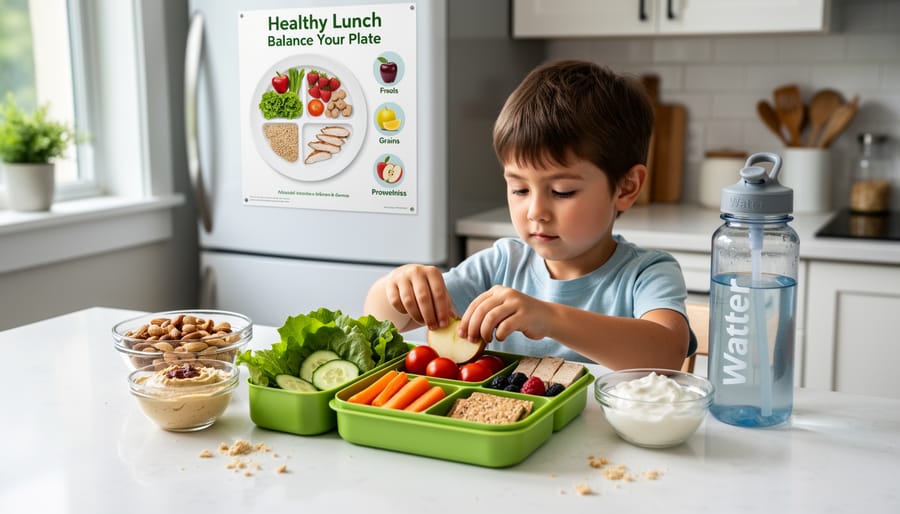
When schools teach nutrition as part of health promotion education, they go far beyond the old food pyramid poster on the wall. Today’s programs give children hands-on skills they’ll actually use.
In a well-designed program, students learn to read nutrition labels during real grocery shopping simulations. They compare cereals, decode serving sizes, and spot hidden sugars. This isn’t abstract theory, it’s practice for the store trips they’ll make with you this weekend.
Many schools now incorporate cooking demonstrations where children prepare simple, nutritious snacks. A third-grader who makes their own fruit smoothie or whole-grain energy balls understands healthy eating differently than one who just hears about it.
The best programs also address real-world challenges your child faces. Teachers discuss why that brightly packaged granola bar might have more sugar than a cookie, or help students plan satisfying lunches they’ll actually want to eat. Schools might set up taste-testing stations for new vegetables or create student-led campaigns promoting water over sugary drinks.
These lessons stick because children experience them, not just memorize them.
Physical Activity and Movement
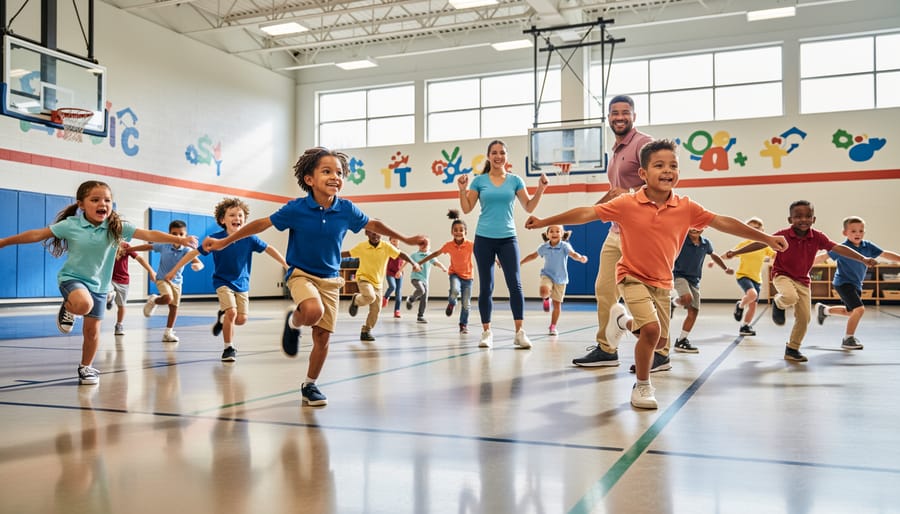
Physical activity in health promotion education goes far beyond twice-weekly PE classes. Forward-thinking schools in 2026 weave movement throughout the entire school day, recognizing that children learn better when they’re active and that establishing joyful movement habits now shapes lifelong health.
Simple strategies make a big difference. Five-minute movement breaks between lessons, jumping jacks, stretching, dancing to one song, help kids refocus while getting their hearts pumping. Some schools use standing desks or stability balls as seating options. Recess becomes structured but fun, with equipment and organized games that encourage everyone to participate, not just the athletic kids.
The goal shifts from fitness testing to finding what makes each child excited to move. Maybe it’s yoga, basketball, hiking, or dance. Teachers model enthusiasm for activity and help students discover that movement feels good, reduces stress, and boosts mood.
Schools also teach practical skills: how to safely increase activity levels, why movement matters for their growing bodies and brains, and how to fit activity into daily routines. When children see movement as enjoyable rather than punishment or obligation, they carry that positive association into adulthood.
Mental and Emotional Well-being
Schools are recognizing that a child who’s stressed, anxious, or emotionally overwhelmed can’t learn effectively, no matter how good the math curriculum is. That’s why mental and emotional well-being has become a cornerstone of health promotion education in 2026. Instead of waiting until a crisis hits, schools are teaching children practical skills to handle their feelings before they become overwhelming.
Younger students learn to name their emotions and use simple techniques like deep breathing or counting to calm down when they’re upset. A second-grader might practice “belly breathing” when frustrated with a difficult assignment. Older students explore mindfulness exercises, journaling, and identifying triggers for stress. Research shows meaningful school-based emotional outcome improvements when these skills are taught consistently.
Teachers also create “feelings check-in” routines where kids share their emotional state without judgment. Some classrooms use a feelings chart or emoji board where children place their name each morning, making emotional awareness part of the daily routine. Building resilience happens through small wins, learning that setbacks are normal, that asking for help is strength, and that tough feelings pass.
Building Healthy Relationships and Social Skills
Teaching children how to communicate openly, resolve conflicts without aggression, and build supportive friendships gives them skills they’ll use for life. Schools that prioritize relationship education create environments where students feel safe expressing themselves, asking for help when they need it, and treating classmates with respect and empathy.
Real Schools Making Real Change
When Roosevelt Elementary in Portland implemented a comprehensive health promotion program in 2023, Principal Maria Chen didn’t expect the transformation to happen so quickly. Within one school year, the results spoke for themselves.
The school started by adding a 15-minute morning movement break in every classroom and replacing processed snacks in vending machines with fresh fruit and whole-grain options. Teachers received training to integrate brief mindfulness exercises between lessons, and the cafeteria introduced a student-led nutrition education program where fifth graders taught younger students about balanced meals.
By the end of the first year, Roosevelt saw attendance rates climb by 12 percent. Student behavioral incidents dropped by nearly a quarter, and teacher reports showed noticeable improvements in classroom focus and engagement. Parents reported that children were bringing home conversations about healthy choices and asking for healthier lunch options.
The program’s crown jewel was the peer wellness ambassador initiative, where trained students led weekly activities teaching classmates about stress management, healthy eating, and positive relationships. These student leaders became role models, creating a culture where taking care of yourself became something kids actively wanted to do.
What made Roosevelt’s approach work was starting small and building momentum. They didn’t overhaul everything at once. Instead, they picked three focus areas, trained staff thoroughly, and let students help shape the programs. The school nurse reported fewer visits for stress-related complaints, and the counselor noted students were using coping strategies they’d learned rather than simply reacting to difficult situations.
The success caught the attention of the entire school district. By 2025, five more schools had adopted similar programs, each seeing comparable improvements in student well-being, attendance, and academic engagement. Roosevelt proved that comprehensive health promotion education doesn’t just sound good on paper, it creates measurable, lasting change in children’s lives.
How Parents Can Support Health Promotion at School
You have more power than you might think when it comes to shaping health promotion in your child’s school. Parents who speak up and get involved often spark meaningful changes that benefit entire communities of children.
Start by learning what your school currently offers. Request a meeting with your child’s teacher or principal to ask specific questions about their health education curriculum. What topics do they cover? How often? What resources do they use? This conversation shows your interest and helps you identify gaps or opportunities.
- Attend school board meetings where health and wellness policies are discussed, and share your support for comprehensive health education programs.
- Volunteer to join or form a school wellness committee that helps shape policies around nutrition, physical activity, and student well-being.
- Connect with other parents who share your values and present concerns or suggestions as a group, collective voices carry more weight.
- Reinforce what your child learns at school by having conversations at home about healthy choices, modeling good habits yourself, and creating a supportive environment.
- Share articles, research, or success stories from other schools with administrators to demonstrate the proven benefits of health promotion education.
Your home environment plays an essential role too. When your child sees you making time for physical activity, choosing nutritious foods, and managing stress in healthy ways, those lessons stick far better than any worksheet. Talk openly about emotions and problem-solving. Ask your child what they learned in health class and build on those conversations.
Don’t underestimate small actions. Packing balanced lunches, limiting screen time, establishing consistent sleep routines, and encouraging outdoor play all reinforce the principles of health promotion. Your everyday choices send powerful messages about what you value.
If your school lacks formal health promotion programs, offer to share resources or connect administrators with organizations that provide training and curriculum materials. Sometimes schools want to do more but need a passionate parent to help them find the path forward.
Simple Ways Teachers Can Bring Health Promotion Into Any Classroom
You don’t need a new curriculum or special training to start weaving health promotion into your everyday teaching. Small changes make a real difference in how students think about their well-being.
Start with movement breaks every 30 to 45 minutes. Stand up, stretch, do jumping jacks, or try a quick dance session. These breaks refocus wandering attention while reinforcing that bodies need to move. Set a timer so you don’t forget when you’re deep in a lesson.
Turn your classroom environment into a subtle health teacher. Open blinds for natural light when possible. Keep a water bottle visible on your desk and encourage students to do the same. When kids see you drink water throughout the day, they mirror that habit without a single lecture.
Integrate health concepts into existing subjects naturally. Math class can involve calculating heart rates after exercise or comparing nutritional values. Reading time works perfectly for books featuring characters who face health challenges or make wellness choices. Science lessons connect beautifully to how our bodies work.
Check in with emotional temperature regularly. A simple thumbs up, sideways, or down at the start of class gives you insight into who might need extra support. Teach one breathing technique and use it together before tests or when energy gets chaotic.
Model the behavior you want to see. Talk about why you chose an apple for your snack or mention your weekend hike. Students absorb more from what you do than what you say. When you prioritize your own health visibly, you give them permission to do the same.
Health promotion education isn’t just another school program, it’s an investment in your child’s lifelong well-being. When schools commit to teaching children how to care for their bodies, minds, and relationships, they’re building a foundation that extends far beyond graduation day. The skills your child learns today about nutrition, physical activity, emotional resilience, and healthy connections will shape their choices for decades to come.
You have the power to make this happen. Whether you’re a parent attending the next school board meeting, a teacher integrating movement breaks into your lessons, or a community member advocating for comprehensive health programs, your voice matters. Start small if you need to, ask questions, share your concerns, celebrate the wins you see happening already.
Every conversation you start, every healthy habit you model, and every effort you make to prioritize wellness in your child’s school creates ripples that touch entire communities. Our children deserve schools that equip them not just with academic knowledge, but with the tools to thrive in body, mind, and spirit. That future starts with the choices we make today.