
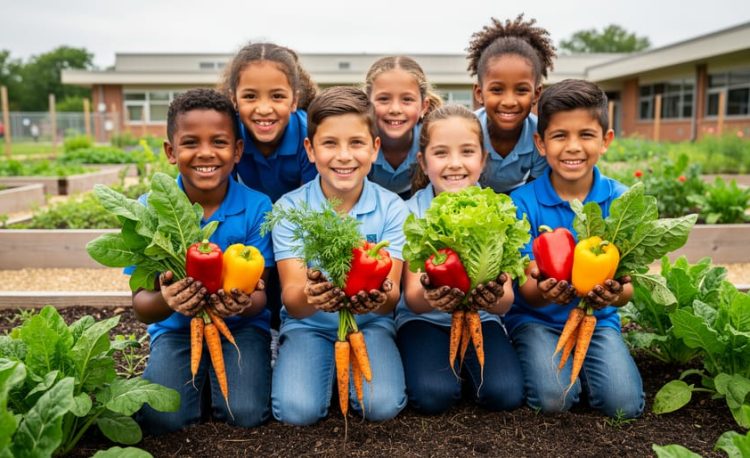
Healthy eating transforms how students learn, concentrate, and feel throughout their school day. When children have access to fresh fruits, vegetables, and whole foods, they show improved focus in the classroom, better mood regulation, and stronger immune systems that help them stay in school instead of home sick. School garden programs offer one of the most effective ways to build these healthy habits, combining hands-on learning with nutritious food access that benefits students both academically and physically.
Right now, students who participate in school gardens are gaining more than gardening skills. They’re learning where food comes from, developing preferences for fresh produce, and building knowledge that shapes their eating choices for years to come. These programs work because they connect health education in schools with practical experience, turning abstract nutrition concepts into real plants students can grow, harvest, and taste.
Parents and educators are increasingly turning to school gardens as a solution to help children develop better eating patterns. The benefits extend beyond nutrition alone. Students working in gardens show increased physical activity, stronger connections to their peers, and a genuine enthusiasm for trying new foods. For families concerned about their children’s health and academic success, understanding how to start or support a school garden program can open doors to lasting positive change in their school community.
What School Garden Programs Are and Why They Matter
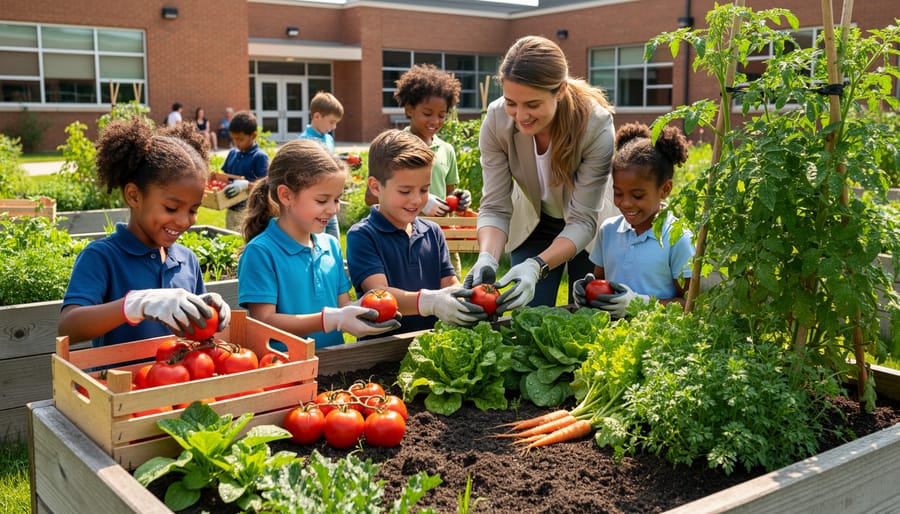
School garden programs turn empty plots of land into outdoor classrooms where students grow vegetables, herbs, and fruits while learning about nutrition, science, and sustainability. These programs give children direct experience with where food comes from, breaking down the disconnect between farm and table that many young people face today. Students plant seeds, tend crops, harvest produce, and often prepare what they’ve grown in cooking activities or see it served in the school cafeteria.
The educational value extends across multiple subjects. Science lessons come alive when students observe plant life cycles, study soil ecosystems, and track weather patterns. Math skills develop through measuring garden beds, calculating harvest yields, and planning seasonal rotations. Social studies and environmental education naturally integrate as children explore food systems, local agriculture, and sustainable practices. Teachers report that hands-on garden work keeps students engaged in ways traditional classroom instruction sometimes cannot.
From a nutrition standpoint, these programs create meaningful behavior change. Children who grow their own vegetables become more willing to try new foods and develop preferences for fresh produce over processed snacks. The act of nurturing a plant from seed to harvest builds ownership and pride that translates into healthier eating habits. Schools often incorporate garden harvests directly into lunch menus, giving students the satisfaction of eating what they’ve grown while improving the nutritional quality of school meals. This farm-to-cafeteria connection reinforces lessons about nutrition in the most tangible way possible.
Who Can Start or Join a School Garden Program
School gardens welcome a surprisingly wide range of participants, basically, if you have an interest in children’s nutrition and access to a school, you can get involved.
Schools of All Types Can Participate
Public, private, charter, and parochial schools all qualify for most school garden programs. Elementary schools often start these projects first because younger children respond well to hands-on learning, but middle and high schools successfully run gardens too, often integrating them into science classes or agriculture courses. The main requirement is space, even a small sunny corner, raised beds on asphalt, or container gardens on a roof can work. Schools don’t need extensive grounds or rural settings.
Who Can Initiate a Program
- Teachers can propose gardens as part of science, health, or environmental curricula
- Parents and PTA members can organize committees and recruit volunteers
- School administrators can champion gardens as wellness initiatives
- Community members and local businesses can sponsor or partner on projects
- Students themselves (especially in older grades) can launch gardens as service projects
You don’t need gardening expertise to start, many programs offer training and mentorship. The most successful gardens begin with one committed adult and grow from there.
Student Participation
All students can participate regardless of ability or background. Gardens work especially well because they accommodate different learning styles and physical capabilities. Some schools make garden time part of regular classes, while others offer it as an after-school club or elective. Students with mobility challenges, sensory needs, or learning differences often thrive in outdoor garden settings where traditional classroom barriers disappear.
How to Start and Implement a School Garden
Planning and Approval Steps
Start by scheduling a meeting with your school principal and presenting a one-page proposal that outlines your garden vision, educational objectives, and initial resource needs. Explain how the garden will support existing curriculum standards in science, nutrition, and environmental studies. Bring photos of successful school gardens and be ready to address concerns about maintenance, liability, and costs.
Walk the school grounds with administrators to identify potential garden locations. Look for areas with at least six hours of daily sunlight, access to water, level ground, and visibility from classrooms or main pathways. Document soil conditions and measure available space, even a small 10×10 foot plot can yield meaningful learning opportunities.
Form a planning committee that includes at least one teacher, a parent volunteer coordinator, and a facilities manager. This team will start and grow gardens by dividing responsibilities for curriculum design, volunteer recruitment, and maintenance logistics. Schedule monthly planning meetings during the initial phase.
Create a simple garden blueprint showing bed layouts, pathways, composting areas, and any structures like tool sheds or shade covers. Align plant selections with what teachers plan to teach and what the cafeteria might use. Submit this blueprint with your formal proposal to the school board or PTA for final approval before purchasing supplies.
Funding and Resource Options
Securing funding for a school garden doesn’t require a massive budget, and multiple sources can combine to cover your needs. Start by exploring grant programs specifically designed for school gardens. The National Farm to School Network and Whole Kids Foundation offer grants ranging from a few hundred to several thousand dollars, with straightforward applications that typically take 30-60 days to process. Many state departments of agriculture and education also run smaller grant programs perfect for getting started.
| Funding Source | Typical Amount | Application Timeline | Best Use |
|---|---|---|---|
| Federal/National Grants | $1,000-$5,000 | 2-3 months | Initial setup, large equipment |
| Local Business Sponsorships | $250-$2,000 | 2-4 weeks | Tools, seeds, supplies |
| Parent Fundraisers | $200-$1,500 | 1-2 months | Ongoing maintenance |
| Community Donations | Variable (in-kind) | Ongoing | Compost, lumber, volunteer hours |
Don’t overlook community partnerships, local garden centers often donate soil and plants, hardware stores may provide lumber at cost, and master gardener groups typically offer free expertise and volunteer hours. Parent fundraisers like plant sales or harvest dinners can generate ongoing support while building community engagement. For budget planning, expect initial setup costs between $500-$2,000 for a modest garden, with annual maintenance requiring $200-$500 for seeds, soil amendments, and replacement tools. Many successful gardens start small with donated materials and expand as additional funding becomes available.
Building and Planting Your Garden
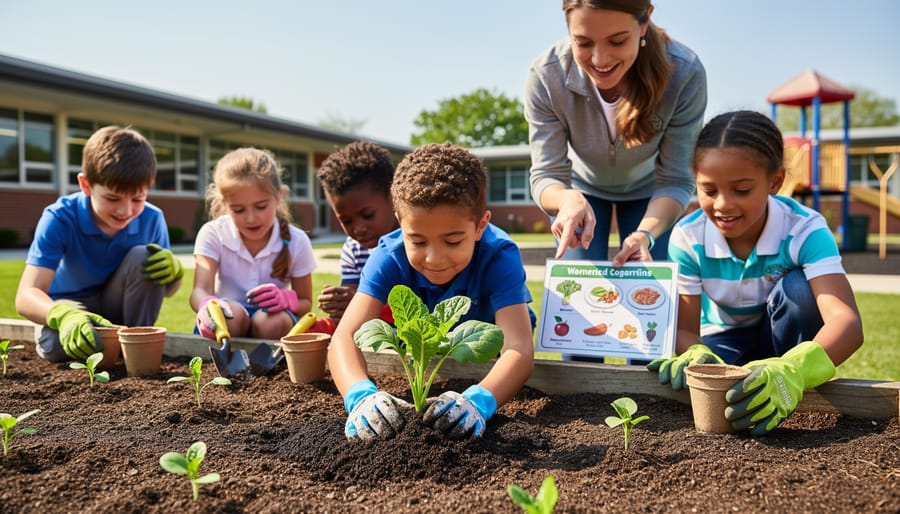
Start with raised beds or containers if ground soil is poor, they’re easier to manage and let students work at a comfortable height. Test your soil pH and add compost to improve drainage and nutrients. Choose fast-growing, forgiving plants like lettuce, radishes, cherry tomatoes, and snap peas that students can harvest within weeks. Match plant selection to your climate and school calendar so kids see results before summer break.
Assign each class or grade a specific bed to care for, giving students ownership of their plot. Let them design layouts, plant seeds, and track growth in journals. Rotate responsibilities for watering and weeding so everyone participates. Keep initial plantings simple, success with a few thriving crops builds confidence and enthusiasm better than an overwhelming variety that requires constant attention.
Health Benefits Students Gain from Garden Programs
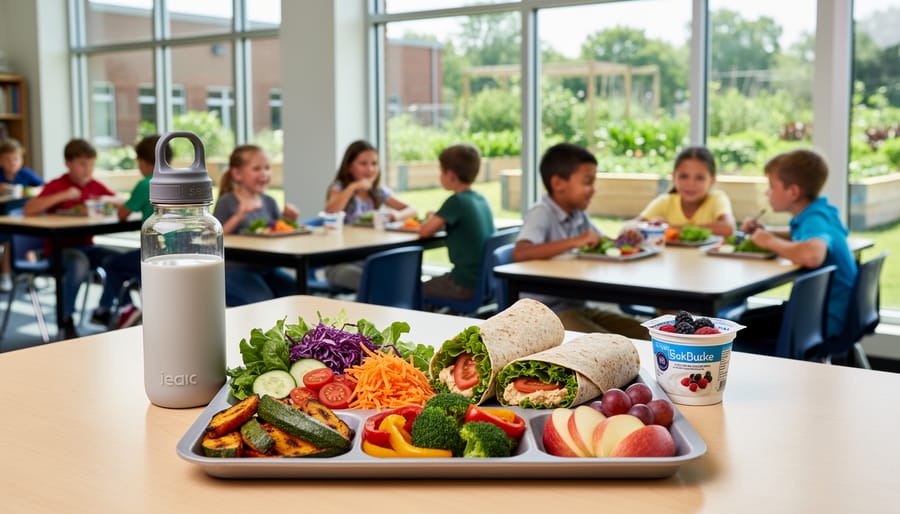
School gardens deliver measurable improvements in children’s nutrition, physical activity, and overall wellbeing. When students grow their own food, they become more willing to try vegetables they helped cultivate, leading to lasting dietary changes that extend beyond the classroom.
Gardens increase vegetable consumption by making fresh produce accessible and appealing. Students who participate in garden programs are more likely to choose fruits and vegetables at lunch and at home. The hands-on experience of planting, tending, and harvesting creates a personal connection to food that shifts preferences away from processed options. Many schools report students enthusiastically eating greens they previously refused, simply because they grew them.
Nutrition literacy improves when children see where food comes from and understand the growing cycle. Garden-based lessons teach students to identify different vegetables, recognize seasonal foods, and understand basic nutritional concepts in a memorable, experiential way. This knowledge helps them make informed food choices throughout their lives, building habits that transform student eating patterns.
Physical activity naturally increases through gardening tasks. Digging, planting, weeding, watering, and harvesting engage different muscle groups and provide moderate exercise that feels more like play than work. Students spend time outdoors, moving their bodies purposefully rather than sitting in classrooms.
Mental health benefits emerge from the calming nature of garden work. The connection to living things, responsibility for plant care, and sense of accomplishment from successful harvests boost confidence and reduce stress. Research shows gardening benefits mental health while supporting academic performance. Students develop patience, learn from failures when plants don’t thrive, and experience pride in contributing fresh food to school meals or local food banks.
Responsibilities and Commitments
A successful school garden requires clear commitments from everyone involved. When responsibilities are shared and understood, gardens flourish and become sustainable parts of school life.
Key Responsibilities by Role:
- School staff oversee garden safety, coordinate planting schedules with the academic calendar, and integrate garden activities into lesson plans
- Parent volunteers commit to regular watering and weeding shifts, help supervise student garden sessions, and assist with seasonal planting and harvesting
- Students care for assigned garden beds, follow safety rules when using tools, and participate actively in hands-on learning activities
- Garden coordinators maintain an equipment inventory, track planting cycles, and communicate updates to all stakeholders
Safety protocols form the foundation of any school garden program. Establish clear rules about tool use, including age-appropriate equipment assignments and proper storage procedures. Create a first-aid station nearby and ensure adult supervision during all garden activities. Regular safety checks of the garden space help identify potential hazards like broken tools or unstable structures before they cause problems.
Maintenance schedules keep gardens productive throughout the growing season. Set up a weekly rotation for watering, weeding, and harvesting tasks. During school breaks, recruit volunteers to maintain the garden or install drip irrigation systems to reduce hands-on care needs. Summer maintenance is crucial; without consistent attention, gardens can become overgrown and difficult to revive in fall.
Sustainability planning ensures your garden continues thriving for years. Build a succession plan so garden knowledge transfers when teachers or volunteers move on. Document successful practices, crop rotations, and lessons learned in a shared garden journal. Creating these systems now prevents gardens from fading when key supporters leave.
Where to Get Support and Resources
Several established organizations stand ready to help you launch and sustain a school garden program, offering everything from free curriculum guides to direct financial support.
National and Government Resources
The U.S. Department of Agriculture runs the People’s Garden Initiative, which provides technical assistance and connects schools with local extension offices for soil testing, plant selection advice, and seasonal planning support. Your state’s Cooperative Extension Service offers free consultations and can send Master Gardeners to work directly with students and teachers.
The National Farm to School Network maintains a comprehensive online hub where you can search grant opportunities by state, download lesson plans aligned with education standards, and join regional networks of schools already running successful gardens. Their website includes case studies showing how similar schools overcame common challenges.
Nonprofit and Community Partners
- offers grants up to $500 for new gardens plus a library of age-specific activities and troubleshooting guides
- Whole Kids Foundation provides garden grants and connects schools with local food businesses willing to donate supplies or volunteer time
- Local garden clubs and Master Gardener chapters often adopt school projects, providing free labor and expertise for seasonal tasks
- Regional food banks and farm-to-school coalitions can help integrate garden produce into meal programs and nutrition education
Many schools find their strongest support comes from forming partnerships with nearby community gardens, which share tools, compost, and experienced mentors. University agriculture departments frequently offer student interns eager to lead garden sessions as part of their coursework, giving you free skilled help while students gain teaching experience.
How to Apply or Complete the Process
Most school garden programs don’t require a formal application process. Instead, you’ll work through internal school channels and community partnerships to move from planning to action.
Start by presenting your proposal to the school principal or administration. Include your garden plan, budget estimates, and the list of volunteers or partners ready to help. Many schools ask for a written proposal that outlines how the garden supports educational goals and fits within existing curricula.
Once you have administrative approval, connect with your district’s facilities or grounds department. They’ll need to approve the chosen location, review any construction plans, and ensure the garden meets safety standards. Some districts require permits for raised beds or water access.
Next, coordinate with the school’s Parent-Teacher Association or school council. These groups often control volunteer programs and can help formalize parent participation. If you’re seeking grant funding, you may need to submit applications through the school’s official channels rather than as an individual.
Review the detailed garden implementation steps to ensure you’ve covered planning, resource gathering, and launch requirements.
Schedule a meeting with teachers who will integrate the garden into their lessons. Document how garden activities align with curriculum standards, as this helps administrators justify the program during budget reviews.
Common Questions About School Garden Programs
School garden programs raise practical questions for parents and teachers who want to make them work. Here are answers to the most common concerns we hear from schools getting started.
How much does it cost to start a school garden?
Initial costs typically range from a few hundred dollars for a small raised-bed garden to several thousand for larger projects, but many schools start with donated materials and incremental expansion. Community partnerships and small grants often cover supplies without requiring significant school budget allocation.
What happens to the garden during summer break?
Successful programs use several strategies: volunteer families adopt garden sections for summer care, summer school programs incorporate garden maintenance, or schools plant perennials and drought-tolerant crops that require minimal attention. Some schools use the summer pause to compost and prepare beds for fall planting.
How do we involve students who aren’t interested in gardening?
Gardens offer varied roles beyond planting, some students enjoy measuring and recording data, designing garden layouts, creating harvest recipes, or managing the compost system. Connecting garden activities to students’ existing interests (art, math, cooking, science experiments) often sparks engagement where direct gardening doesn’t.
Is a year-round garden realistic in our climate?
Cold-climate schools often run seasonal gardens (spring through fall) or use simple cold frames and hoop houses to extend the season. Even seasonal gardens deliver substantial benefits, and indoor herb gardens or sprout-growing projects can bridge winter months.
Time commitment varies by garden size and ambition. A modest garden bed might need 30 minutes of class time weekly for maintenance, while larger programs may dedicate an hour or more. Most schools find that spreading responsibilities across multiple classes and grade levels prevents any single teacher from shouldering the entire workload. Parent volunteers can handle weekend watering and seasonal heavy tasks like bed preparation.
Weather presents challenges every gardener faces. Backup lesson plans for rainy days, shade structures for extreme heat, and flexible planting schedules help gardens adapt. Many schools treat weather challenges as learning opportunities, teaching students about climate resilience and problem-solving rather than expecting perfect conditions.
Starting a school garden might feel like a big undertaking, but the rewards for students’ health make every effort worthwhile. You’ve seen throughout this guide that gardens aren’t just about growing vegetables, they’re about cultivating lifelong healthy eating habits, boosting nutrition knowledge, and creating positive relationships with food that extend far beyond graduation.
The good news? You don’t have to tackle this alone. The resources, funding options, and support networks outlined in this article exist specifically to help schools like yours succeed. Whether you’re a teacher with a small plot of land, a parent passionate about nutrition, or an administrator looking to improve student wellness, your first step can be as simple as reaching out to one organization or gathering a few interested people for a conversation.
Every thriving school garden started exactly where you are now, with someone who recognized the value and took action. The children in your community deserve access to fresh, nutritious food and the knowledge to make healthy choices for themselves. Start small, use the support available, and watch as your garden, and your students, flourish.