
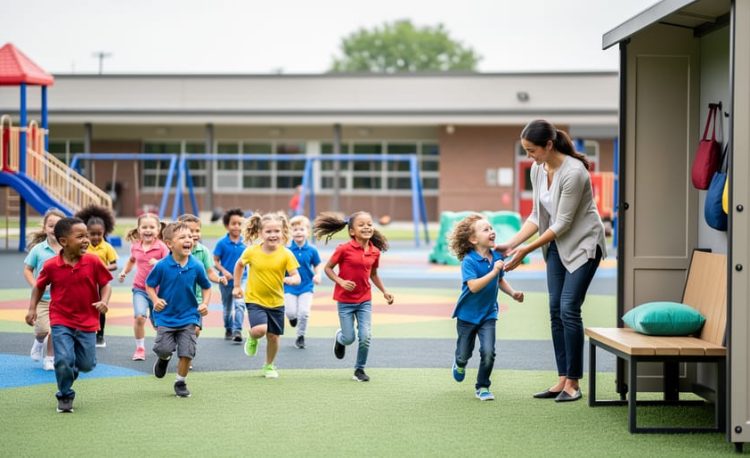
The best alternatives to taking away recess are the ones that help a child make things right, learn the missing skill, and stay active. Restorative conversations, natural consequences, calm-down corners, a privilege tied to the behavior, helping jobs, skill practice, and positive goal plans all work, and you can start any of them today with no special training.
Why do they work? Kids need movement to focus, settle their bodies, and behave well. Pulling recess often backfires, because a child who needs to burn off energy gets less chance to do it. Consequences that connect to the behavior teach something instead.
We chose the seven ideas below for three reasons. They’re simple enough to use in a busy classroom or a normal evening at home. They’re kind without being soft, so the child still understands what went wrong. And they protect the physical activity kids need to learn and grow.
Each idea includes an easy first step and a real-life story of it working, so you can try one this week and see the difference.
Why Recess Is Worth Protecting (and What to Try Instead)
Recess is more than playtime. It’s when kids get the movement their growing bodies need, and it supports their health in simple, everyday ways. After a good run around the playground, children often come back to class calmer, more focused, and in a better mood. They also practice taking turns, solving small disagreements, and making friends, which are skills no worksheet can teach as well. This lines up with what we know about health education in schools: healthy habits and learning go hand in hand.
So what happens when recess is taken away? Often, the opposite of what we hoped for. A child who is already struggling now has even more pent-up energy and fewer chances to reset. Many adults find that the same behavior shows up again the next day. A recent restorative practices are evidence-based reminder from public health experts also encourages schools to protect this daily break for every child.
Here’s a gentler way to think about it. Instead of “punishment,” picture “a chance to learn and make things right.” That small shift changes everything. Kids still understand that actions have consequences, but they also feel supported while they grow.
The seven ideas below do exactly that.
How We Chose These Consequences: What Makes a Good Alternative
Not every consequence is created equal, so we set a few simple guidelines before building this list. Each idea had to be fair, make sense for what happened, and treat the child with respect. We also wanted options that busy teachers and parents can actually use on an ordinary Tuesday, without special training or extra supplies.
Here is the checklist every option had to pass:
- It connects directly to the behavior, so the child sees why it happens.
- It stays calm and respectful, with no shame or embarrassment.
- It teaches a skill, not just a lesson in getting caught.
- It keeps movement time safe, so playtime stays protected.
- It is realistic for classrooms and homes with limited time.
If an idea missed even one of these, it did not make the cut. The good news is that all seven options below meet every goal, so you can pick the one that fits your child, your class, and your day.
Seven Alternative Punishments to Taking Away Recess
1. Restorative Conversations, Making Things Right
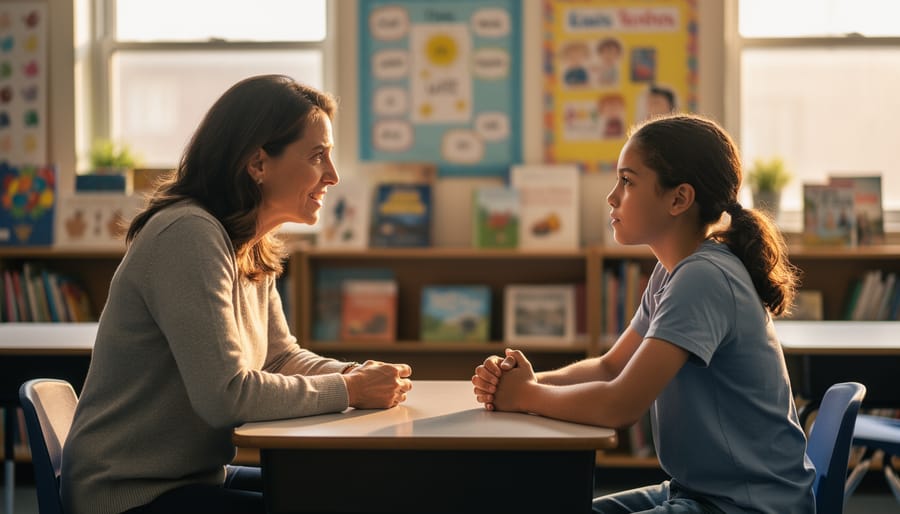
A restorative conversation is a calm, private chat where a child thinks about what happened, who it affected, and how to make it right. It takes about five minutes and keeps recess untouched.
One teacher I know swapped lost recess for a quick check-in at her desk. She noticed that the same few students kept landing in trouble, and after a few weeks of these short talks, repeat issues dropped noticeably. Kids felt heard, so they were more willing to fix things and try again.
Keep your voice gentle and curious, not scolding. Here are a few simple starters:
- What happened, in your own words?
- Who was affected by what happened?
- What can we do to fix it?
- What will you try next time?
Let the child do most of the talking. If you’d like more ideas like this, you can browse our guide to 8 alternative consequences that help kids learn while they stay active.
2. Natural Consequences, Fixing What Was Broken or Messy
The idea behind natural consequences is simple: the fix should match the mistake. If a child spills paint, they help wipe it up. If they rush through a worksheet and leave half of it wrong, they redo the careless parts. If they say something hurtful, they write a short note or do something kind to make it right.
This works because the child sees a clear line between what they did and what happens next. Nobody has to guess why they are being corrected. They also get to practice responsibility, which is the whole point.
Best of all, none of it costs them playtime. A few minutes of cleaning or fixing can fit into the day without touching recess.
To keep it kind, stay calm, offer help if they need it, and thank them once things are made right.
3. Calm-Down Corners and Short Reset Breaks
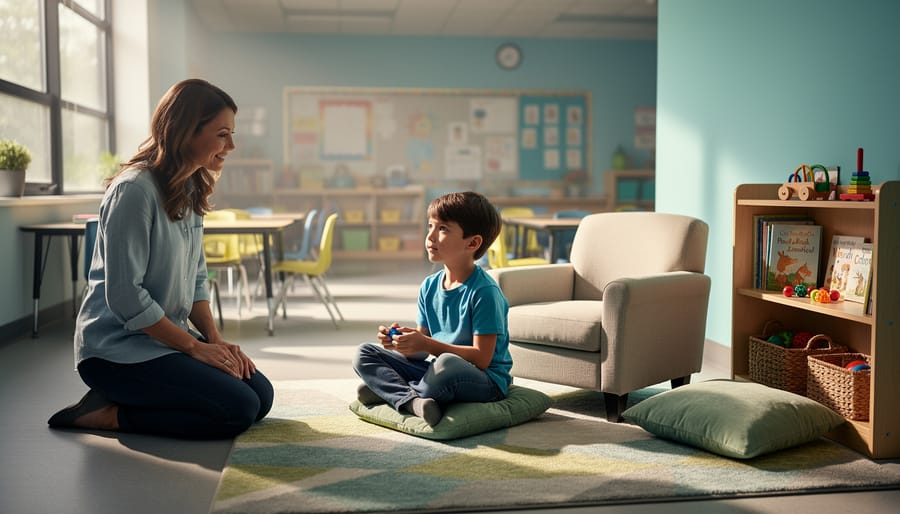
A calm-down corner is a cozy, no-shame spot where a child can take a breath and reset before rejoining the group. Think of a soft cushion, a few picture cards showing deep-breathing steps, a stress ball, and maybe a short list of easy stretches. Keep it simple and welcoming.
The goal is self-control, not isolation. A child isn’t being sent away. They’re choosing a tool to help their body settle, and the adult can say so warmly: “Want to take a minute in the corner and come back when you’re ready?”
Keep the reset brief, usually two to five minutes. A timer or a sand glass helps kids see the end in sight. Once they’re calm, welcome them back with a quick, friendly check-in. Over time, many children begin heading to the corner on their own, which is exactly the skill we want them to build.
4. Loss of a Specific Privilege Tied to the Behavior
When a child misuses something, the fairest consequence is often pausing that same thing. If a student rushes through a game and tosses the pieces around, the game rests for a day. If a child ignores bedtime rules on a tablet, screen time takes a short break. The link between action and result is easy for kids to see, and outdoor play stays safe.
A few tips keep this kind of consequence kind and useful:
– Keep it short. A day or two works better than a week, because long losses feel hopeless.
– Say it clearly. Tell the child what happened, what is paused, and for how long.
– Stay fair. Match the size of the loss to the size of the choice.
– Offer a way back. Try, “Show me three days of careful use, and the helper job is yours again.”
When kids know how to earn a privilege back, they start working toward it right away.
5. Helping Jobs and Acts of Kindness
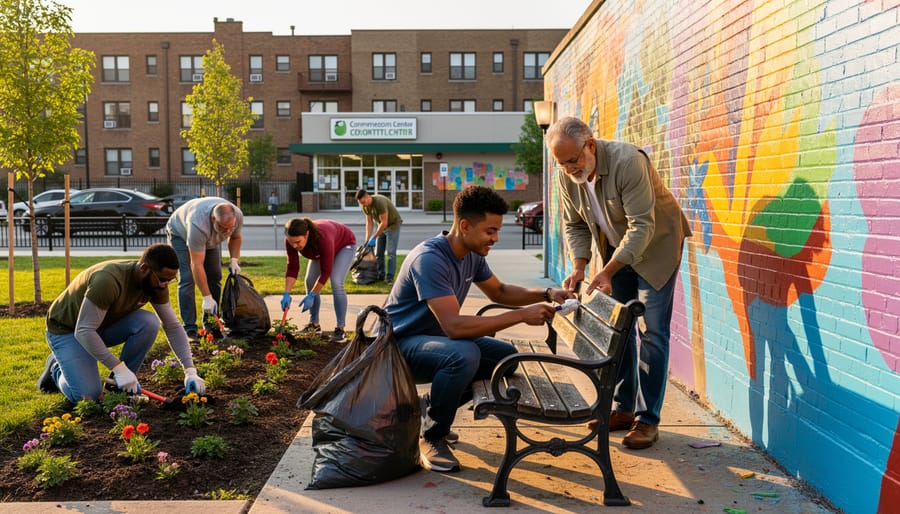
When a child makes a poor choice, giving them a chance to give back can teach more than any lost recess ever could. A helping job turns “I messed up” into “I can make this better.”
Think simple and doable. A child might read a short story to a younger class, tidy the library shelves, water the classroom plants, or write an encouraging note to someone they upset. At home, it could be helping a sibling with a chore or making a kind card.
Here’s a story to inspire you. One elementary school noticed lots of playground squabbles among older students. Instead of taking recess away, the staff invited those students to spend ten minutes helping kindergarteners with a reading buddy time. Over a few months, the teachers saw fewer conflicts, and many of those children became friendly mentors who looked out for the little ones on the playground.
Keep the job short, kind, and respectful, so the child feels valued, not shamed.
6. Practice Time for the Skill That Was Missing
Many behavior struggles aren’t defiance. They’re skills a child hasn’t built yet. A kid who cuts the line may simply not know how to wait, and a child who grabs a toy may not have the words to ask for a turn. Punishing a missing skill rarely teaches it, but practicing does.
Keep practice short, calm, and low-pressure, around three to five minutes. Try these ideas before or after school:
– Role-play waiting in line, with you and the child taking turns being first and last.
– Rehearse kind words by acting out a disagreement and trying out friendly ways to say “I’m upset.”
– Practice asking for a turn with a favorite toy, then switch roles so they feel both sides.
Treat mistakes as part of learning, and cheer for effort. When a child tries the new skill on the playground later, a quick “I saw how you waited” builds confidence. Each practice session adds a tool they can use during play, without losing a minute of recess.
7. Positive Reinforcement and Goal Plans
Sometimes the best consequence is no consequence at all, just a clear plan for doing better. Start by picking one small goal with your child, like “keep hands to myself during line-up.” Make it specific and easy enough to win.
Then track it. A simple chart on the fridge or desk works well, with a sticker or checkmark for each good choice. Keep it visible so progress feels real.
Noticing good choices is the secret ingredient. When kids hear “I saw you wait your turn,” they want to repeat it, and many problems fade before they start.
One family we know used a five-day sticker chart for morning routines. After a week of small wins, the kids were reminding each other of the goal. They celebrated with a bike ride, which kept movement front and center.
Celebrate often, and adjust the goal when it feels too easy.
Common Questions About Alternatives to Taking Away Recess
Kids are different, and so is every classroom, so these questions come up a lot. Here are short answers to the ones we hear most. For more ideas to try right away, take a look at these alternatives to losing recess.
What if a child’s behavior is unsafe?
Safety comes first. Step in right away, move the child to a calm spot with an adult nearby, and use a short reset break before talking it through. Once everyone is calm, a restorative conversation helps the child understand what happened and how to do better next time.
How do I get my school to change its policy?
Start with a friendly conversation with the teacher or principal, and bring a few practical options instead of only concerns. Offering to share ideas like helping jobs or goal plans makes it easier for staff to say yes.
What if my child needs extra movement?
Some kids simply need more time to move. Protecting recess, adding active breaks, and building in movement before or after school can help them focus and settle in.
How do I stay consistent at home?
Pick one or two consequences and use them the same way each time. A simple goal chart on the fridge gives everyone a clear reminder, and celebrating small wins keeps the whole family motivated.
Remember, there’s no single perfect approach. Try one idea, see how your child responds, and adjust as you go.
Final Takeaway: Building Habits That Keep Kids Moving and Learning
Kids can learn from their mistakes without losing the playtime that helps their bodies and minds thrive. Pick just one of these seven ideas to try this week, whether that’s a quick restorative conversation, a calm-down corner, or a simple goal chart, and notice how your child responds. Small shifts add up quickly. For more ideas on student movement and learning explore the other Online Action School resources on children’s health and activity.