
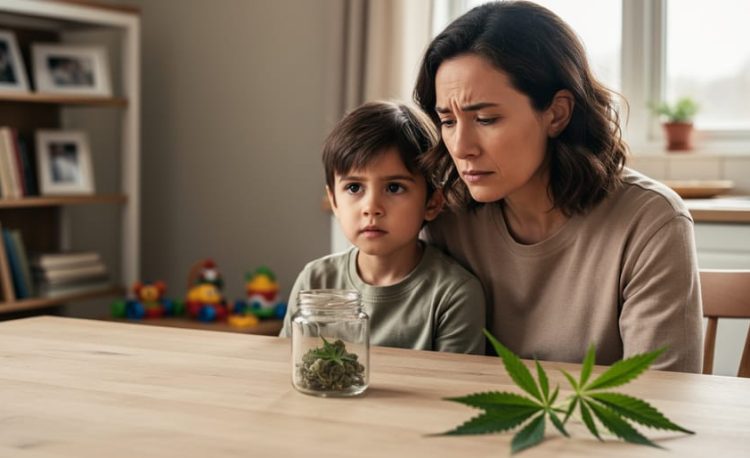
CBD and THCA are not recommended for children except under strict medical supervision for specific, FDA-approved conditions like certain severe seizure disorders. While products like these THCA pre-rolls are marketed to adults, the developing brain requires extra protection, and research on cannabis compounds in children remains extremely limited.
If you’re reading this, you probably fall into one of two camps: you’ve heard CBD or THCA might help your child’s anxiety, sleep troubles, or appetite issues, or you’re worried because your teen mentioned these products. Either way, you deserve clear, honest answers.
Here’s what we know in 2026. CBD (cannabidiol) and THCA (tetrahydrocannabinolic acid) are compounds found in cannabis plants. CBD doesn’t produce a high and has FDA approval for treating rare seizure disorders in children over two years old, but only as a prescription medication called Epidiolex. THCA is the raw, non-psychoactive precursor to THC, but when heated through smoking, vaping, or cooking, it converts to THC and becomes intoxicating.
The challenge? Most CBD products sold online or in stores aren’t regulated like medications. Testing has repeatedly found inaccurate labels, contamination with pesticides or heavy metals, and THC levels higher than advertised. For kids, whose brains are still developing until their mid-twenties, exposure to THC can affect memory, learning, and mental health.
This doesn’t mean you’re out of options for supporting your child’s health naturally. Research-backed nutrition strategies, sleep hygiene, and stress-reduction techniques often address the same concerns parents hope CBD might fix, without the unknowns. We’ll walk through what the science actually says, red flags to watch for, and proven alternatives that protect your child’s development while supporting their wellbeing.
Understanding CBD and THCA: What They Really Are
CBD: The Basics Parents Should Know
CBD, or cannabidiol, is a natural compound found in cannabis and hemp plants. Unlike the THC that causes marijuana’s “high,” CBD doesn’t produce intoxication or alter consciousness. That’s why it’s legal in most states when derived from hemp containing less than 0.3% THC.
You’ll find CBD in oils, gummies, creams, and beverages marketed to adults. Its popularity exploded after the 2018 Farm Bill legalized hemp-derived CBD, with companies claiming it helps with everything from stress and sleep problems to chronic pain and inflammation.
Here’s what matters for parents: Most CBD products aren’t FDA-regulated. That means manufacturers can make bold health claims without proving them, and product quality varies wildly. What’s on the label doesn’t always match what’s in the bottle.
While some adults report feeling calmer or sleeping better with CBD, solid scientific evidence remains limited even for adults. The research picture becomes even murkier when we’re talking about children, whose bodies and brains work very differently. The lack of oversight and research creates real safety concerns, especially for developing young bodies.
THCA: The Compound That Becomes THC
THCA stands for tetrahydrocannabinolic acid, a compound found naturally in raw cannabis plants. Unlike its well-known cousin THC (tetrahydrocannabinol), THCA doesn’t produce a “high” in its raw form. However, this changes dramatically when THCA is exposed to heat.
When cannabis containing THCA is smoked, vaped, or cooked, the heat triggers a chemical process called decarboxylation. This process removes a carboxyl group from the THCA molecule, transforming it into psychoactive THC. The same compound that was non-intoxicating becomes the substance responsible for marijuana’s mind-altering effects.
This transformation is why THCA pre-roll products and similar items pose serious safety concerns. A product might be labeled as containing THCA rather than THC, but the moment someone lights it, they’re consuming psychoactive THC. For parents, this distinction matters enormously. THCA products aren’t the non-intoxicating alternative their marketing sometimes suggests. When heated, they function exactly like traditional marijuana products, with all the same risks for developing brains and bodies.
The confusing labeling and chemistry create a dangerous situation where products may seem safer than they actually are, particularly concerning for households with children.
The Safety Concerns: Why These Products Aren’t for Children
Developing Brains Need Protection
Children’s brains undergo remarkable development from birth through their mid-twenties. During this time, billions of neural connections form, strengthen, and reorganize, a process that shapes everything from learning abilities to emotional regulation. This developmental journey makes young brains particularly vulnerable to substances that interact with the nervous system.
Cannabinoids like CBD and THCA work by affecting the endocannabinoid system, which plays crucial roles in brain development. In adults, this system is relatively stable. In children, it’s actively helping to wire the brain. Introducing external cannabinoids during these critical growth periods may interfere with natural developmental processes in ways we don’t yet fully understand.
Research in adolescents has raised red flags about how cannabis compounds might affect memory formation, attention span, and impulse control. The younger the exposure, the greater the potential concern. While most studies focus on THC, scientists lack sufficient data on how CBD and THCA specifically impact developing brains.
Think of it this way: you wouldn’t renovate a house while its foundation is still being poured. Similarly, children’s brains need a protected environment to develop properly, free from substances that might disrupt their natural growth trajectory.
Unknown Long-Term Effects
When it comes to children, we’re essentially flying blind. Most cannabinoid research has focused on adults, leaving massive gaps in our understanding of how CBD and THCA affect growing bodies over years and decades.
Consider this: we don’t know if early exposure influences hormone development during puberty. We can’t predict how these compounds might interact with a child’s rapidly changing metabolism. There’s no data telling us whether CBD use at age seven affects brain function at seventeen.
This isn’t just a minor research gap. Children aren’t small adults, their bodies process substances differently, and their developing systems are uniquely vulnerable to interference. What seems harmless today could trigger problems that don’t surface until adolescence or adulthood.
The research that does exist often studies isolated compounds in controlled settings, not the variable products parents find in stores. We’re missing crucial information about cumulative effects, optimal dosing for different ages, and how these substances interact with normal childhood development milestones.
Without this knowledge, using CBD or THCA products on children means participating in an uncontrolled experiment with your child’s health.
Quality Control and Contamination Risks
Even if cannabinoid products were appropriate for children, which they aren’t, the unregulated nature of the CBD and THCA market creates serious safety hazards. Studies have found that many products don’t contain what their labels claim. Some products tested contained far more or less CBD than advertised, while others included THC levels high enough to cause intoxication, despite labels claiming they’re THC-free.
Children are especially vulnerable to contaminants that sometimes appear in these products. Testing has revealed pesticides, heavy metals like lead and arsenic, residual solvents from manufacturing, and harmful bacteria or mold in various CBD products. A child’s smaller body size means lower doses of contaminants can cause greater harm. Their developing organs and immune systems make them less able to process and eliminate toxic substances.
The FDA doesn’t regulate most CBD or THCA products the way it oversees children’s vitamins or medications. Manufacturers aren’t required to test for purity or prove their products are safe for anyone, let alone children. Parents can’t verify what’s actually in a bottle or package, making these products particularly risky for the young people who need protection most.
When Parents Consider These Products: Common Scenarios
The One Medical Exception: Prescription Epidiolex
There is exactly one situation where CBD has proven medical value for children: prescription Epidiolex for certain severe, treatment-resistant seizure disorders. The FDA approved this purified CBD medication specifically for Lennox-Gastaut syndrome and Dravet syndrome, two rare but devastating forms of childhood epilepsy. Clinical trials showed Epidiolex could reduce seizure frequency in these patients when other treatments had failed.
This prescription medication differs dramatically from store-bought CBD products. Epidiolex contains pharmaceutical-grade CBD with consistent, verified dosing, undergoes rigorous quality testing, and comes with clear prescribing information. Doctors prescribe specific doses based on a child’s weight and monitor for side effects like liver problems, drowsiness, and interactions with other seizure medications. Long-term safety data are limited which is why ongoing medical supervision remains essential.
Compare that to unregulated CBD gummies or oils where the actual CBD content often doesn’t match the label, quality varies wildly between batches, and no doctor is tracking your child’s response or watching for problems. Epidiolex works because it’s medicine used as medicine should be: prescribed for a specific diagnosed condition, dosed carefully, and monitored by specialists. That’s a completely different scenario from experimenting with products designed for adults.
What to Ask Your Pediatrician Instead
When you’re concerned about your child’s health, your pediatrician should be your first resource, not the internet or supplement store. Here’s how to have a productive conversation that gets real solutions.
Come prepared with specifics. Instead of asking “Should I try CBD?”, describe what you’re seeing: “My daughter can’t fall asleep before midnight” or “My son gets so anxious before school he vomits.” Details about when symptoms started, how often they occur, and what you’ve already tried help your doctor identify the real problem.
Ask about root causes. Sleep trouble might stem from too much screen time, anxiety could relate to undiagnosed learning differences, and behavioral issues sometimes connect to nutritional deficiencies or food sensitivities. Request testing when appropriate.
Request evidence-based alternatives. Say “What treatments have the best research for kids with this issue?” Your pediatrician can recommend behavioral therapies, lifestyle modifications, or when necessary, medications that have been properly studied and approved for children.
If your doctor dismisses your concerns without offering alternatives, you deserve better. Seek a second opinion from a pediatrician who takes your child’s symptoms seriously and works with you to find safe, proven solutions.
Protecting Kids from Accidental Exposure
Storage and Handling Best Practices
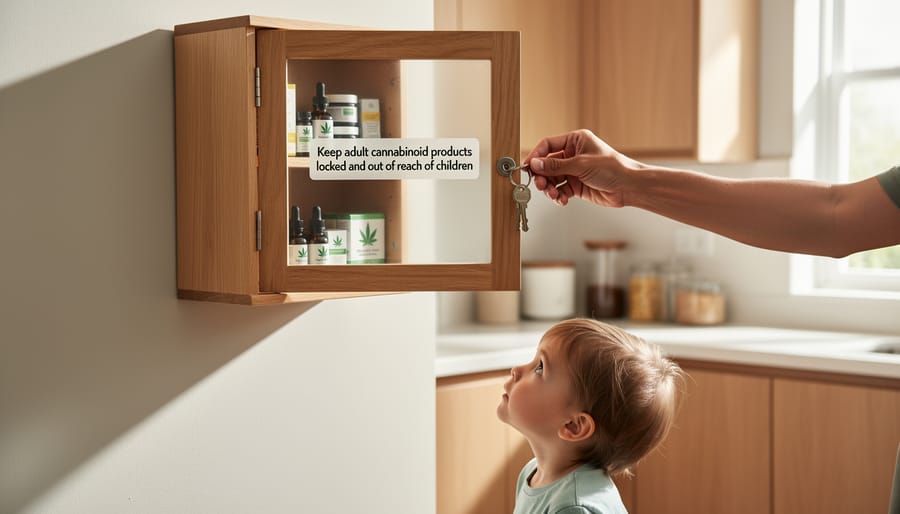
If you use CBD or THCA products in your home, treating them with the same caution as prescription medications is essential. Store all cannabinoid products in a locked cabinet or safe that children cannot access. High shelves aren’t enough, curious kids climb, and colorful packaging attracts attention.
Keep products in their original child-resistant containers. Never transfer them to regular jars or leave them on counters, nightstands, or in purses where small hands might find them. This applies to all forms: oils, gummies, capsules, and especially THCA pre-rolls or flower, which children might mistake for herbs or tea.
When disposing of unwanted products, don’t just toss them in the trash. Mix them with coffee grounds or cat litter in a sealed bag before discarding, making them unrecognizable and unpalatable. Some communities offer medication take-back programs that accept these products.
If you use smokable forms, never leave lighters, vape pens, or pre-rolls accessible. Store smoking devices separately from the products themselves. The smell alone can pique children’s curiosity, so use products in well-ventilated areas away from kids and store them immediately after use.
Create clear household rules with older children about what these products are and why they’re off-limits.
What to Do If Accidental Ingestion Occurs
If your child accidentally swallows CBD or THCA products, stay calm and act quickly. First, remove any remaining product from their reach and check what they consumed, read the label for ingredients and potency if possible.
Call your pediatrician or poison control (1-800-222-1222) immediately, even if your child seems fine. Describe exactly what they ingested, how much, and when. Small children are more vulnerable to cannabinoid effects than adults, and symptoms can develop gradually.
Watch for signs like unusual drowsiness, difficulty waking, unsteady walking, rapid heartbeat, confusion, or vomiting. If your child shows severe symptoms, trouble breathing, seizures, or loss of consciousness, call 911 right away.
Don’t try to make your child vomit unless instructed by medical professionals. Keep the product packaging to show healthcare providers. Most cases resolve without long-term harm, but professional assessment ensures your child receives appropriate monitoring and care.
Remember, honesty with healthcare providers helps them treat your child effectively. They’re focused on your child’s safety, not judgment about what happened in your home.
Evidence-Based Nutrition and Wellness for Children Instead
Building Strong Bodies Through Nutrition
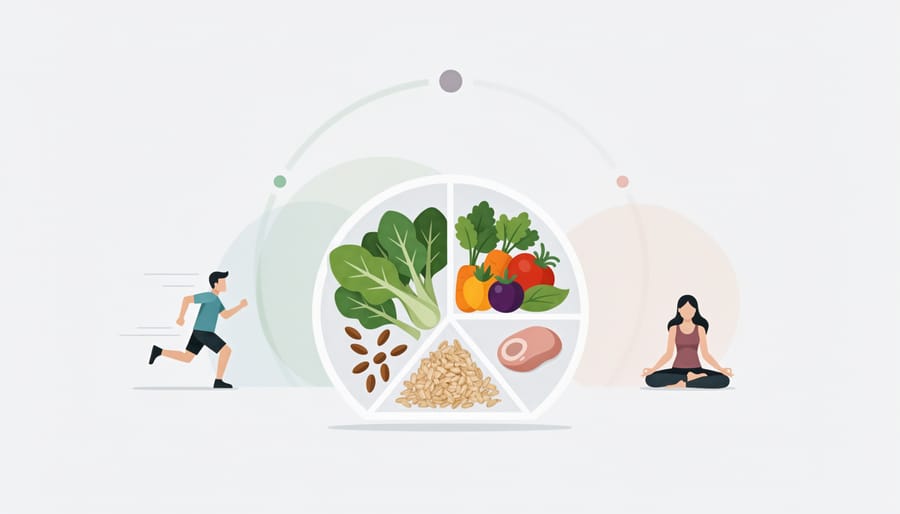
Children’s bodies and brains need consistent, quality fuel to grow, learn, and thrive. Start with whole foods that aren’t processed or packaged: fresh fruits, vegetables, whole grains, lean proteins, and healthy fats like those found in nuts, seeds, and fish. These provide essential vitamins, minerals, and nutrients that support everything from brain development to immune function. Make breakfast a priority, kids who eat a balanced morning meal show better concentration and mood throughout the school day.
Focus on establishing healthy lifestyle habits that include regular family meals when possible. Eating together helps kids develop positive relationships with food and gives you opportunities to model good choices. Keep colorful options visible and accessible: a bowl of washed fruit on the counter beats hidden vegetables every time. Involve children in meal planning and preparation to build their food knowledge and enthusiasm.
Hydration matters too. Water should be the primary beverage, with milk providing calcium and vitamin D for growing bones. Limit sugary drinks that spike energy and mood, then crash. When kids resist new foods, stay patient and keep offering them without pressure, it can take multiple exposures before acceptance develops.
Physical Activity as Medicine
Regular physical activity serves as one of the most effective natural interventions for children’s mental and physical health. When kids engage in active play, running, jumping, climbing, or organized sports, their bodies release endorphins that naturally improve mood and reduce anxiety. Movement also helps regulate the body’s stress response system, making children more resilient to daily challenges. Outdoor play offers additional benefits: exposure to natural light helps set healthy circadian rhythms, improving sleep quality without any supplements. Active children fall asleep faster, sleep more deeply, and wake feeling more rested. The Canadian 24-Hour Movement Guidelines recommend children ages 5-17 get at least 60 minutes of moderate-to-vigorous physical activity daily. This doesn’t require expensive programs, free play at parks, family walks, dancing in the living room, or backyard games all count. The key is consistency and making movement enjoyable rather than treating it as a chore.
Sleep Hygiene That Actually Works
Quality sleep doesn’t require supplements or special products. Simple environmental and behavioral changes make the biggest difference for children’s rest.
Start by establishing consistent sleep and wake times, even on weekends. Children’s bodies thrive on predictable rhythms. These reliable schedules help support routines that improve learning, mood, and physical health.
Create a bedroom environment optimized for sleep. Keep the room cool (around 65-68°F), completely dark, and quiet. Remove screens at least one hour before bedtime. The blue light from devices suppresses melatonin production and delays sleep onset.
Develop a calming pre-sleep routine lasting 20-30 minutes. This might include a warm bath, reading together, or gentle stretching. Avoid stimulating activities, sugary snacks, or caffeinated beverages in the evening hours.
If your child struggles with anxiety at bedtime, try progressive muscle relaxation or deep breathing exercises together. These techniques help calm the nervous system naturally without any products or interventions.
Your child deserves the very best foundation for lifelong health, and that foundation comes from proven, evidence-based approaches rather than experimental products. While the world of cannabinoids may seem appealing when you’re searching for answers, children’s rapidly developing bodies and brains require interventions with established safety profiles and strong research backing.
The good news? You have powerful tools already at your disposal. Nutritious meals, regular physical activity, consistent sleep routines, and positive environments create measurable improvements in children’s physical and mental wellbeing. These aren’t trendy solutions, they’re scientifically validated strategies that work.
If your child is struggling with health concerns, your pediatrician remains your best partner. They can provide proper diagnosis, recommend safe treatments, and connect you with health education resources tailored to your family’s needs. Many communities also offer family health support programs that address nutrition, activity, and wellness holistically.
Your instinct to protect your child’s health is exactly right. Channel that protective energy toward the evidence-based strategies outlined here, and you’ll build a strong foundation for their growth and development.