
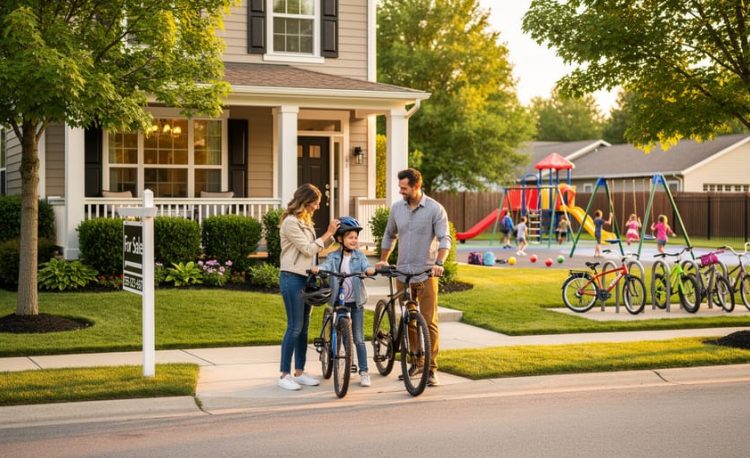
Finding the right home near a school that champions your child’s wellbeing transforms both their educational journey and your family’s lifestyle. Request detailed health and nutrition policies directly from shortlisted schools, examining their commitment to daily physical activity, outdoor learning opportunities, and fresh meal provision. Contact a trusted property buying company who understands family priorities and can filter properties within catchment areas of schools with outstanding Ofsted ratings for pupil welfare and development.
Check each school’s latest inspection reports, focusing specifically on sections covering personal development, behavior, and attitudes, where inspectors assess physical education quality, mental health support, and nutrition standards. Visit during lunch hours to observe playground facilities, sports equipment availability, and the quality of meals being served to students.
Map your property search around schools offering forest schools, swimming programs, breakfast clubs with nutritious options, and partnerships with local sports organizations. Research local authority data on childhood obesity rates and active travel initiatives, as areas with lower obesity statistics often indicate communities prioritizing child health through better infrastructure and school programs.
Speak with current parents outside school gates to gather genuine insights about how health policies translate into daily practice, including whether children genuinely enjoy physical activities and school meals. This ground-level intelligence often reveals more than official documentation, helping you identify schools where healthy living becomes second nature rather than simply meeting government requirements. Your property decision ultimately shapes your child’s formative years, making this research invaluable.
Why Schools Matter More Than Ever for Your Family’s Wellbeing
What Makes a School ‘Healthy’?
When you’re searching for the right school, understanding what makes it truly “healthy” goes beyond just academic results. A healthy school nurtures your child’s physical, mental, and emotional wellbeing alongside their education.
Start by looking at nutritional standards. The best schools provide balanced, freshly prepared meals with plenty of fruit, vegetables, and whole grains. They limit sugary drinks and ultra-processed foods, teaching children positive eating habits that last a lifetime. Many successful schools have introduced salad bars and involve students in menu planning.
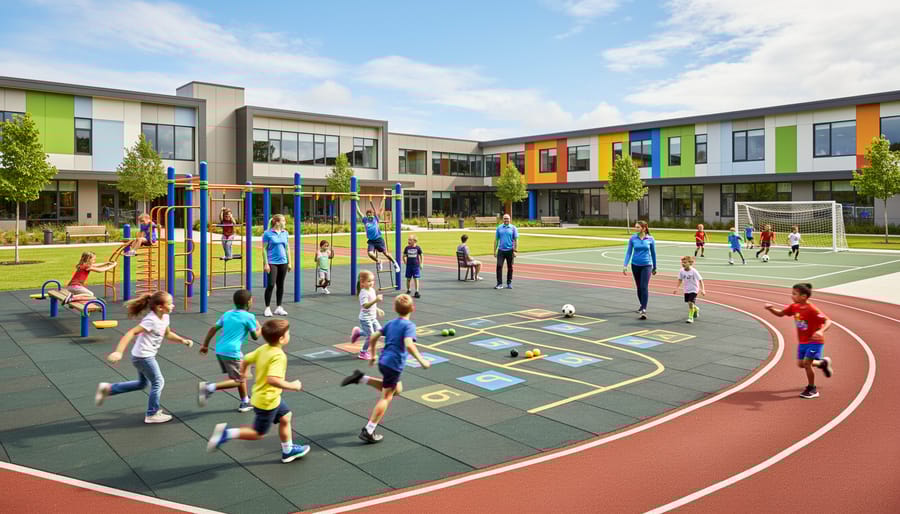
Physical education is another crucial element. Healthy schools offer at least two hours of quality PE weekly, with varied activities that help every child find something they enjoy—from traditional sports to dance, yoga, or outdoor adventures. Quality playground facilities encourage active play during breaks, giving children space to run, climb, and socialise.
Outdoor learning environments matter too. Schools with gardens, nature areas, or forest school programs help children connect with nature while staying active. These spaces support mental wellbeing and provide hands-on learning opportunities.
Active travel policies are equally important. Schools that encourage walking or cycling to school, offering bike storage and working with local councils on safe routes, help families build activity into daily routines naturally.
Finally, look for comprehensive health education. This includes age-appropriate lessons about nutrition, mental health, relationships, and personal hygiene. Schools should also ensure adequate water provision throughout the day, with accessible drinking fountains encouraging healthy hydration habits.
The Real Impact on Your Children
The difference a healthy school makes becomes clear when you see children thriving. Take Sophie’s experience in Bristol, where her family relocated specifically to be near a school with outstanding health provisions. Within six months, her previously reluctant eater was trying vegetables she’d grown in the school garden and requesting fruit for snacks instead of crisps.
Research from Public Health England reveals that children attending schools with comprehensive health programmes show measurable improvements across multiple areas. Physical fitness levels increase by up to 20%, while concentration spans during lessons improve significantly. Children who participate in daily physical activity and receive proper nutrition education also demonstrate better academic performance and emotional wellbeing.
The Manchester School Health Initiative followed 500 families over three years, finding that children exposed to healthy school environments developed lifelong positive habits. These pupils were more likely to choose active transport, maintain balanced diets, and engage in regular exercise outside school hours.
Parents consistently report wonderful transformations. Eight-year-old James, previously struggling with focus, became more attentive after his school introduced active learning breaks and improved lunch options. His mum noticed better sleep patterns and increased enthusiasm for outdoor play. These real-world outcomes demonstrate that choosing property near health-focused schools represents an investment in your children’s present happiness and future success.
Finding Healthy Schools in Your Target Neighborhood
Where to Find School Health Information
Finding reliable information about a school’s health credentials doesn’t need to be complicated. Several trusted resources are available at your fingertips to help you make informed decisions during your property search.
Start with Ofsted reports, which provide official school inspections covering pupil wellbeing, personal development, and the quality of health education programs. These free reports are accessible online and offer valuable insights into how schools support children’s overall development.
School websites typically showcase their health initiatives, including sports clubs, healthy eating policies, and outdoor learning opportunities. Look for dedicated sections about pupil wellbeing or enrichment activities that highlight their commitment to active lifestyles.
The Healthy Schools program recognizes institutions meeting specific health and wellbeing standards. Schools displaying this accreditation have demonstrated excellence in areas like physical activity, emotional health, and nutritional education.
Sport England ratings help you identify schools with quality sports facilities and strong physical education programs. Their online tool shows how schools compare in providing opportunities for children to stay active throughout the day.
Food for Life awards celebrate schools serving nutritious, freshly prepared meals using quality ingredients. Schools with bronze, silver, or gold awards prioritize healthy eating habits that benefit children’s concentration and energy levels.
Many local councils also publish school health data on their websites, making it easy to compare schools within your preferred areas. Don’t hesitate to contact schools directly with questions about their health policies—most are happy to share information with prospective families.
Questions to Ask During School Visits
When you visit potential schools, come prepared with specific questions to help you understand their commitment to children’s health. Start with nutrition: ask what percentage of meals are freshly prepared on-site, whether vegetarian and allergy-friendly options are available daily, and if they have a water-only policy during lessons. This gives you insight into their approach to healthy eating.
For physical activity, enquire about how many minutes of PE students receive weekly and whether this includes varied activities beyond traditional sports. Ask about outdoor learning opportunities, daily break times, and if children can access green spaces throughout the day. Understanding these details helps you gauge whether active play is genuinely prioritized.
Don’t forget to ask about walking and cycling infrastructure. Are there secure bike storage facilities? Does the school participate in walking bus schemes or promote active travel? These initiatives make it easier for families to build healthy habits into daily routines.
Finally, explore their health education curriculum. How do they teach children about nutrition, mental wellbeing, and developing healthy lifestyles? Schools that integrate health education across subjects demonstrate a deeper commitment to raising health-conscious young people. Taking notes during your visit will help you compare schools more effectively later.
Red Flags and Green Flags
When visiting potential schools, certain signs quickly reveal their health commitments. Green flags include visible outdoor play equipment that’s well-maintained and regularly used, water fountains positioned throughout the building, and displays showcasing school garden programs or healthy eating initiatives. Notice if children have adequate time for lunch and whether active movement is integrated into the daily schedule, not just limited to PE lessons.
Red flags often appear subtle but matter significantly. Watch for limited outdoor space, vending machines stocked primarily with sugary drinks and snacks, or playgrounds that look neglected or unused. If staff seem unable to discuss health policies or the school lacks clear communication about nutrition and activity programs, this suggests health may not be prioritized. Empty fruit bowls in classrooms or absence of drinking water access are also concerning indicators.
During school visits, ask to see the lunch menu and observe break times. Healthy schools typically welcome such requests and proudly share their health achievements, making your assessment straightforward and informative.
Working With Property Buying Companies to Prioritize School Health
Making Your Health Priorities Clear
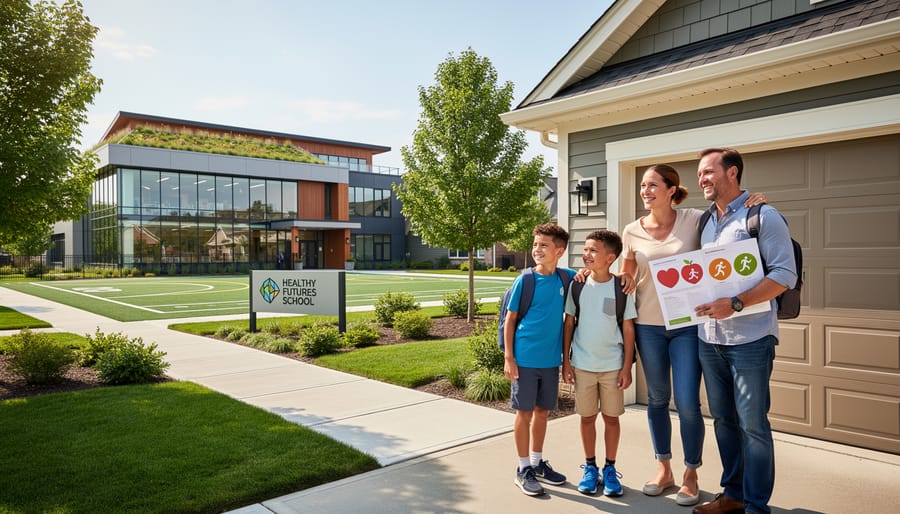
When speaking with estate agents and property professionals, being clear about your school health priorities helps them understand what matters most to your family. Start by creating a simple checklist of your non-negotiables before viewing properties. This might include schools with daily outdoor play time, cooking classes, vegetable gardens, or sports clubs that welcome all abilities.
Share specific questions you’d like answered about nearby schools. For example, ask if schools have kitchens preparing fresh meals on-site, whether they participate in schemes like the Daily Mile, or if they offer breakfast clubs with nutritious options. Most estate agents can research this information or connect you with families in the area.
Consider preparing a brief email template explaining your priorities. One family from Manchester found success by sending agents a short list stating: “We’re looking for properties near primary schools with strong nutrition education, varied PE programs, and outdoor learning opportunities.” This clarity helped agents shortlist suitable areas quickly.
Don’t feel awkward about these requests. Health-conscious parenting is increasingly common, and professionals appreciate knowing your specific needs. Many agents now recognize that school health programs influence property decisions just as much as academic performance does.
Remember to ask about future developments too. A school might be planning a new sports facility or partnering with local allotments. These upcoming improvements could make a catchment area even more appealing. Your checklist becomes a conversation starter, helping property professionals genuinely support your family’s wellbeing goals rather than just finding any available home.
Timing Your Purchase Around School Admissions
Timing is everything when it comes to securing both the right property and a place at your preferred healthy school. Understanding the coordination between these two major decisions can make all the difference for your family.
Start your property search at least 12 to 18 months before your child needs to begin school. This gives you breathing room to find a home within the catchment area and complete the purchase before application deadlines. Remember, most primary school applications close in mid-January for September entry, and you’ll need proof of address at your new property.
Contact your preferred schools early to understand their specific catchment boundaries. These can change annually, so don’t rely on outdated information. Some popular healthy schools have very tight catchment areas, sometimes just a few hundred meters, so accuracy matters enormously.
Consider renting temporarily within your target catchment area if you’re still house-hunting close to application deadlines. Many families use this strategy successfully, allowing children to secure their school place while continuing the search for the perfect permanent home.
Keep council admissions teams informed of your moving plans. If you’re mid-purchase during application season, explain your situation and provide solicitor confirmation. Most councils accommodate families with genuine property transactions in progress.
Plan viewings around school pick-up times to observe the community firsthand. You’ll see parents and children in action, getting a real sense of the school’s health culture and whether it aligns with your family’s values. This practical approach helps confirm you’re making the right choice for both property and education.
Neighborhoods Known for Health-Focused Schools
Understanding Catchment Areas
Understanding where your child can attend school is crucial when house hunting. In England and Wales, most state schools use catchment areas—geographic boundaries that determine admission priority. Living within a school’s catchment zone significantly increases your chances of securing a place, though admission policies vary.
Distance from home to school gates is typically measured in straight lines or walking routes, depending on local authority rules. For popular healthy schools with strong sports programmes and nutritious meal provision, catchment areas can be surprisingly small—sometimes just a few hundred metres. This means purchasing property even one street away from the boundary could impact your application.
Scotland operates differently, using catchment areas more strictly, while Northern Ireland follows a different system altogether based on criteria set by individual schools. Check your local council’s admissions policy early in your property search to understand exactly how boundaries are drawn.
Don’t assume postcodes guarantee admission. Visit your local authority website to access their interactive catchment maps, or contact schools directly for precise boundary information. Some families have successfully appealed decisions, but proximity remains the strongest factor. Planning your property purchase with these boundaries in mind helps ensure your children benefit from the healthy school environment you’re seeking.
Urban vs. Rural Considerations
Choosing between urban and rural schools often comes down to what type of health opportunities matter most to your family. City schools typically offer structured programs like dedicated PE specialists, indoor sports facilities, and partnerships with local sports clubs. These schools often have established healthy eating initiatives and access to specialist support services. The trade-off is usually less outdoor space and more reliance on indoor activities.
Rural schools shine in different ways. Children often benefit from expansive playing fields, nature-based learning opportunities, and fresh air throughout the school day. Many rural families find that active transport becomes naturally part of daily routines, with children walking or cycling to school along quieter roads. These schools frequently incorporate outdoor education into their curriculum, encouraging physical activity through forest schools and gardening projects.
Consider your family’s lifestyle and values. If you prioritize structured sports programs and diverse extracurricular activities, urban schools might suit you better. If outdoor play, connection with nature, and active commutes resonate more strongly, rural settings could be ideal. Some suburban schools offer a middle ground, combining decent outdoor space with organized programs. Visit schools in both settings before deciding, and observe how children spend their break times and how the school maximizes its environment for health and wellbeing.
Supporting Your Child’s Health Beyond School Choice
Creating Active Travel Routines
When viewing properties, take a test walk or cycle from potential homes to the school during typical morning hours. This gives you a real sense of the route’s safety, traffic levels, and how long the journey actually takes. Look for properties within a comfortable walking distance – typically 15-20 minutes for primary-aged children – and check for continuous pavements, pedestrian crossings, and minimal road crossings on busy routes.
Safe walking routes should include well-lit paths, good visibility at corners, and streets with lower traffic volumes. Consider whether your child will walk alone or with others, as some families arrange walking buses where parents take turns supervising groups of children. These social walks make the journey more enjoyable whilst building independence.
For cycling, investigate whether schools offer secure bike storage and if local councils have created safe cycle lanes or quiet routes. Some areas have School Streets schemes that temporarily close roads to traffic during drop-off and collection times, creating safer environments for active travel.
Remember that establishing active commutes requires consistency. Start with short distances and gradually build confidence. Many families find that morning walks energize children for the school day, whilst afternoon walks provide valuable time to chat about their day, strengthening your connection whilst promoting healthy habits.

Extending School Nutrition Lessons at Home
Once your children attend a school with strong nutrition programmes, you can reinforce these healthy habits at home with simple strategies. Start by asking your child what they learned at school about healthy eating and use this as a conversation starter during family meals. Try planning weekly menus together, letting children choose vegetables or fruits they’ve tried at school. Simple meal ideas like veggie-packed pasta, homemade pizzas with colourful toppings, or build-your-own salad bars make healthy eating fun and interactive.
Keep healthy snacks visible and accessible—washed fruit in clear containers, veggie sticks with hummus, or wholegrain crackers at eye level. Involve children in age-appropriate cooking tasks like washing vegetables, stirring ingredients, or setting the table. This hands-on approach helps them feel ownership over their food choices.
Many families find success by adopting the “80/20 rule”—focusing on nutritious foods most of the time whilst allowing occasional treats without guilt. Remember, you’re building lifelong habits, not aiming for perfection. When children see consistency between school and home messages about nutrition, these healthy practices become second nature, setting them up for a lifetime of wellbeing.
Choosing a property near a healthy school is far more than a housing decision—it’s an investment in your children’s wellbeing, happiness, and future success. Schools that prioritize nutritious meals, active play, and mental health support create environments where children truly thrive, both academically and personally. While finding the perfect home can feel overwhelming, making school health a key criterion ensures your family benefits for years to come. The extra effort spent researching school meal standards, outdoor space, and health policies pays dividends through healthier habits, improved concentration, and stronger immune systems. Remember, you’re not just buying bricks and mortar; you’re securing access to a supportive community that values what matters most. Trust your instincts, ask the right questions, and know that prioritizing your child’s health today shapes the foundation for their tomorrow. This choice benefits everyone—healthier children mean happier families, and that makes any house truly feel like home.